Led by: Dr. Ricardo Martínez, Dr. Carina Colombi; Lic. Carlos Alarcón
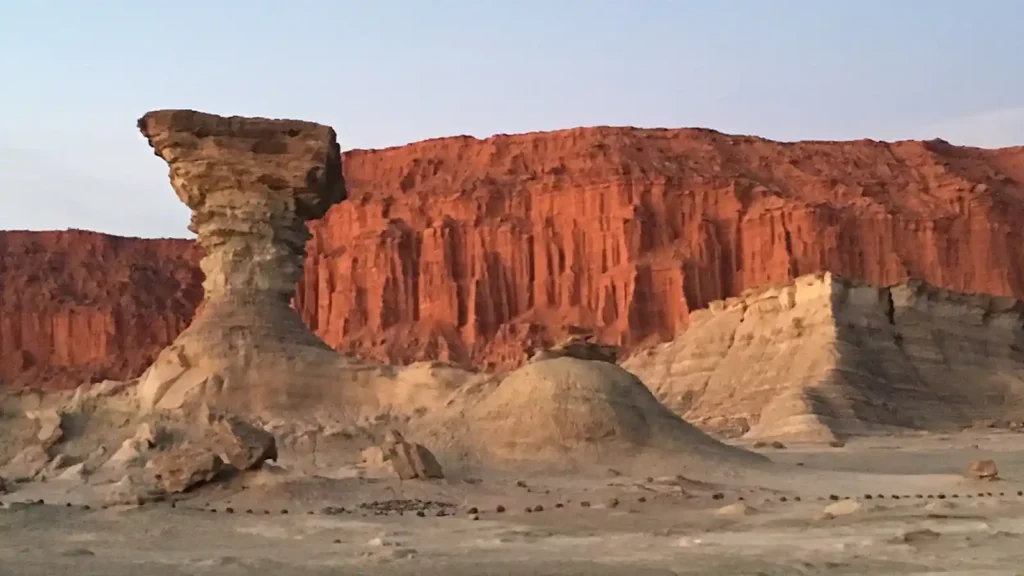
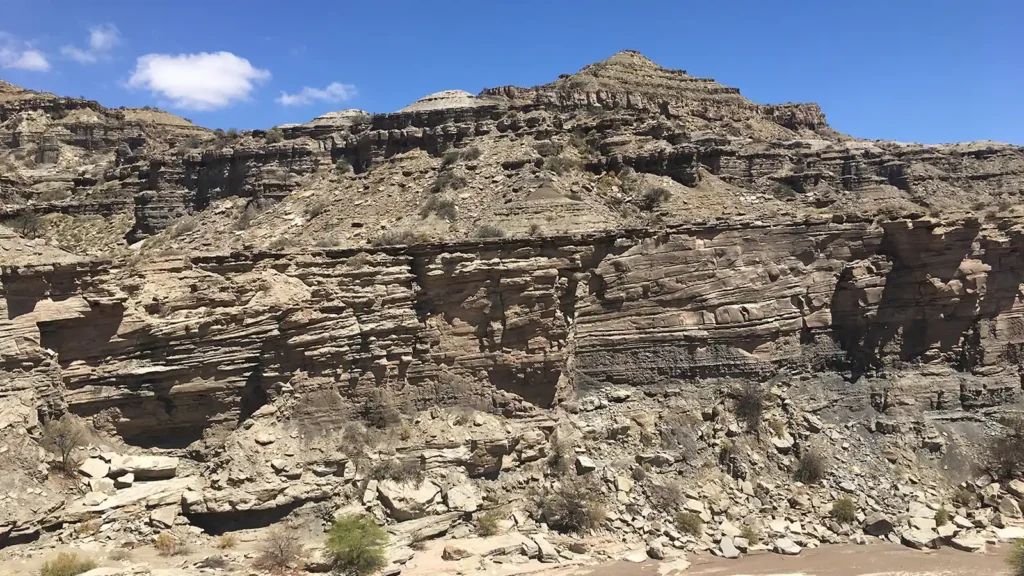
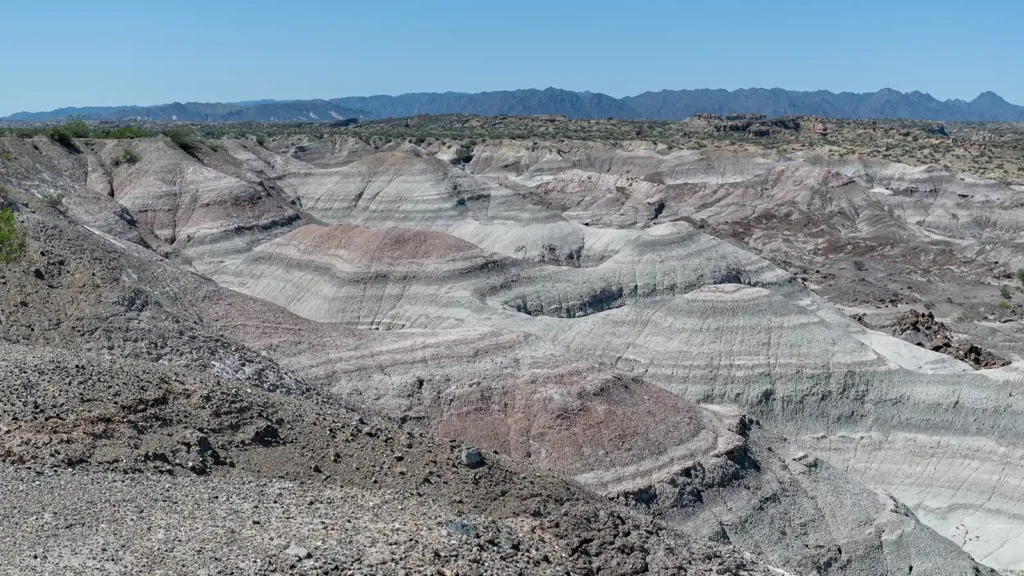
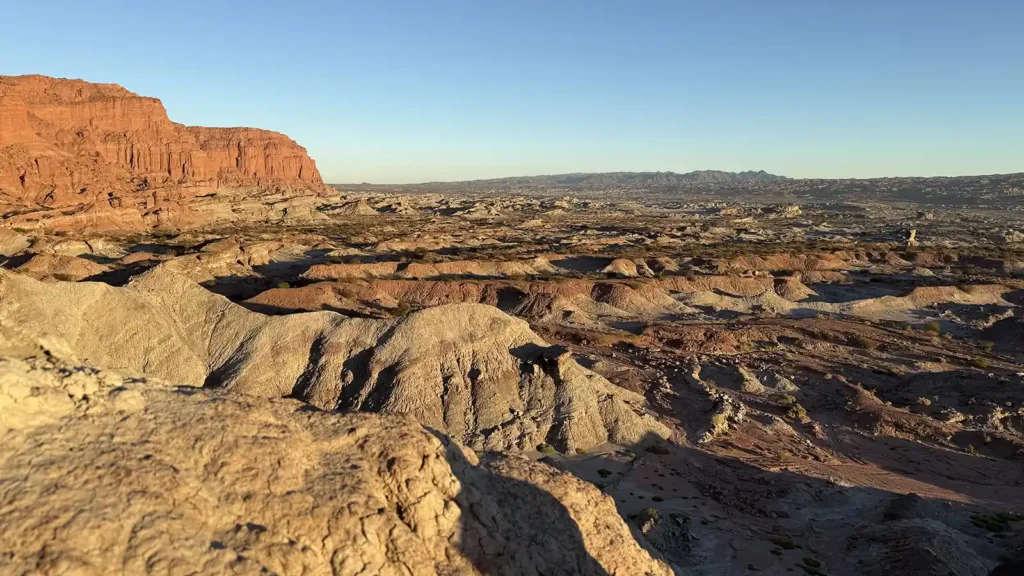
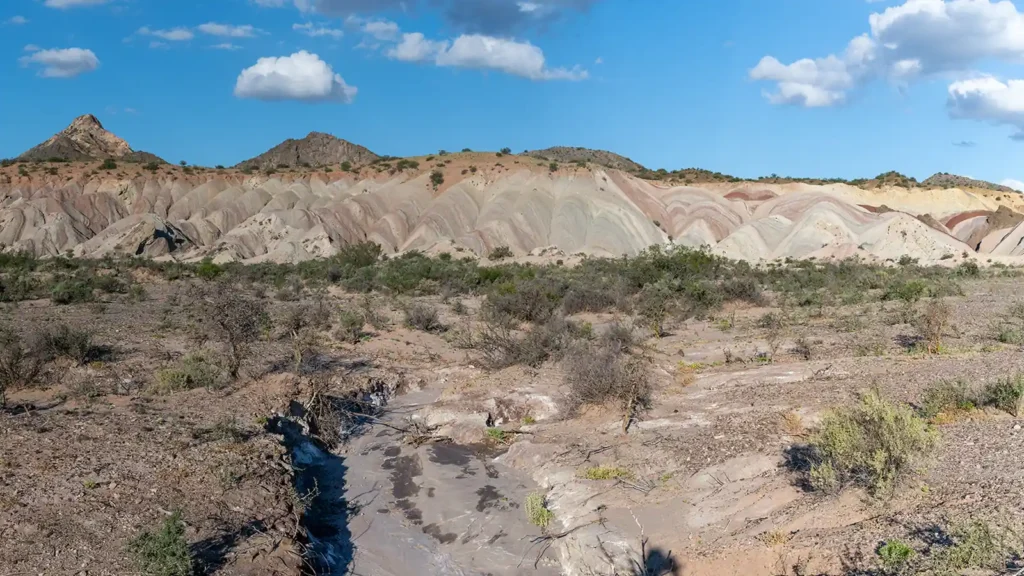
Ischigualasto Provincial Park represents one of the most complete and best-exposed continental records of the Late Triassic in Gondwana. This field trip aims to analyze in detail the stratigraphy, sedimentology, and paleontology of the Triassic units exposed in the area, with special emphasis on the Ischigualasto Formation and its significance for the early evolution of dinosaurs and other archosaurs.
During the excursion, the main lithostratigraphic units (Talampaya, Tarjados, Chañares, Ischigualasto, and Los Colorados formations) will be examined, assessing their lithological characteristics, facies architecture, and paleoenvironmental evolution within the framework of extensional continental basins associated with Triassic rifting.
Participants will visit the classic fossiliferous levels that have yielded the oldest known dinosaurs, together with a diverse assemblage of rhynchosaurs, cynodonts, and other archosauromorphs. Taphonomic, biostratigraphic, and paleoecological aspects will be discussed, highlighting the importance of Ischigualasto for understanding paleofaunal diversification patterns during the Carnian–Norian.
This field trip seeks to integrate paleoenvironmental and paleobiological observations in the outcrops, fostering critical discussion on regional correlations, absolute chronology (radiometric dating of tuffaceous levels), and the role of the Ischigualasto–Villa Unión Basin within the paleogeographic framework of southwestern Pangea.