


San Juan Province
SAN JUAN
Welcome to San Juan — the land of sunshine and astonishing geology!
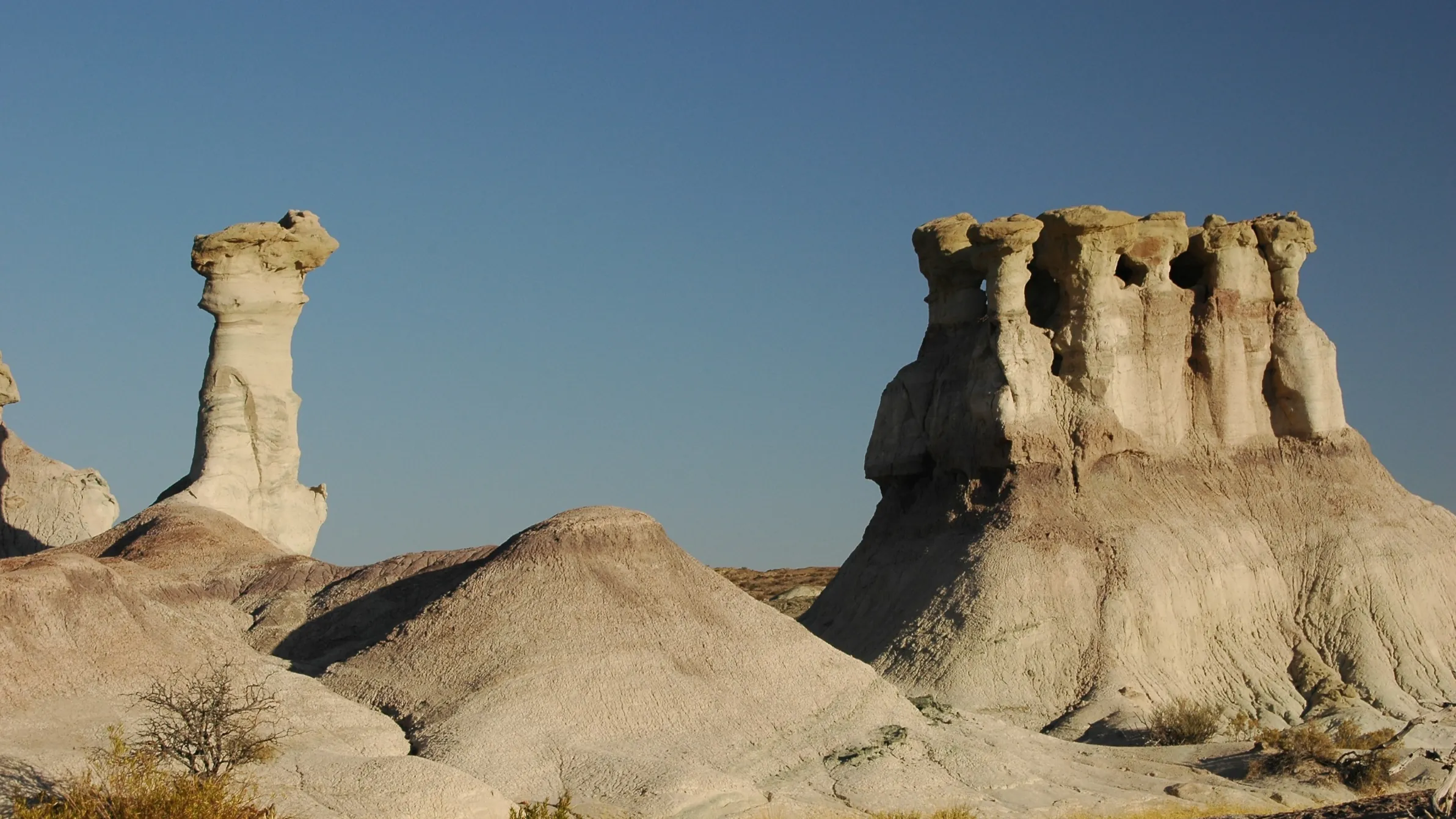
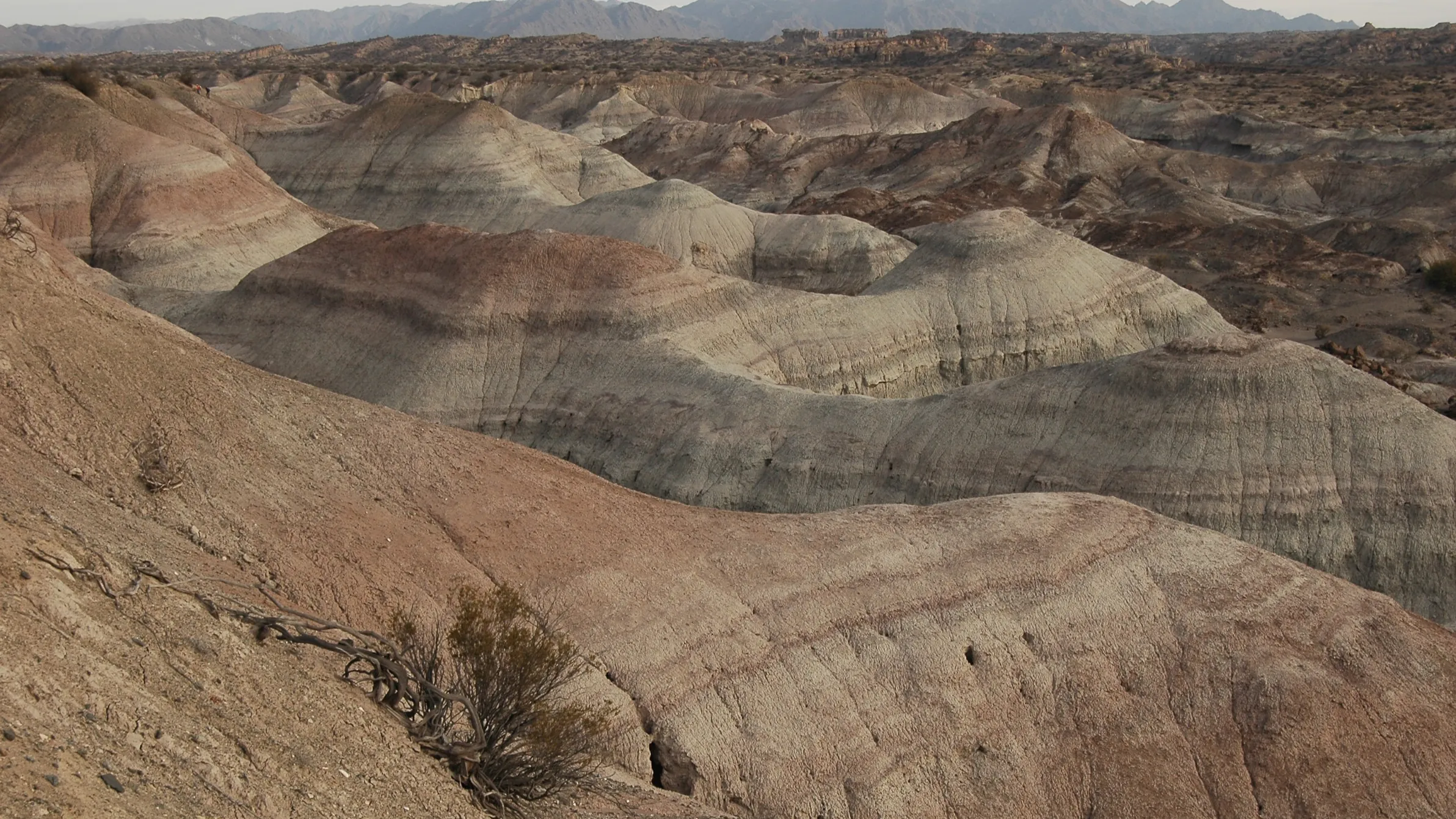
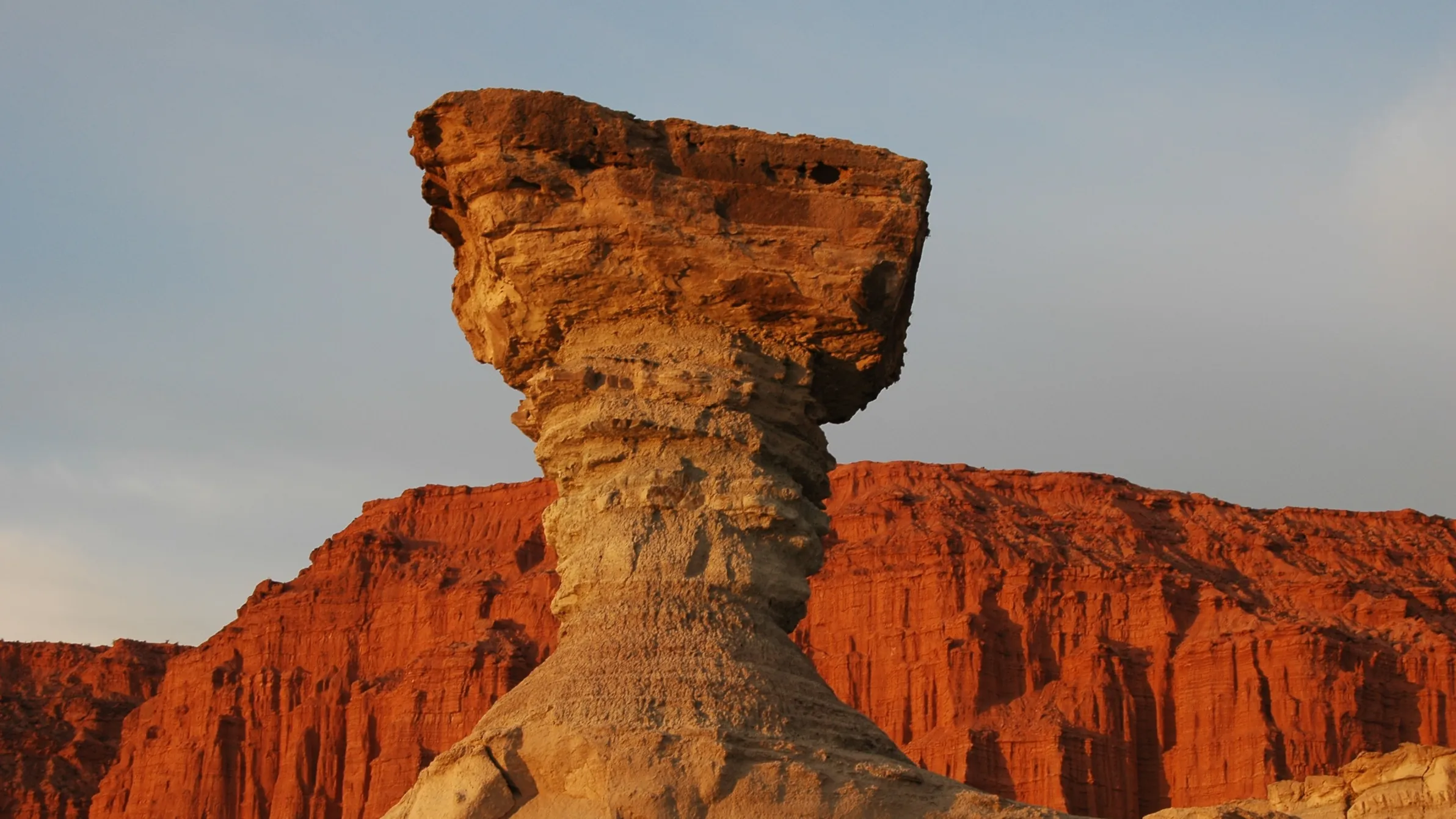
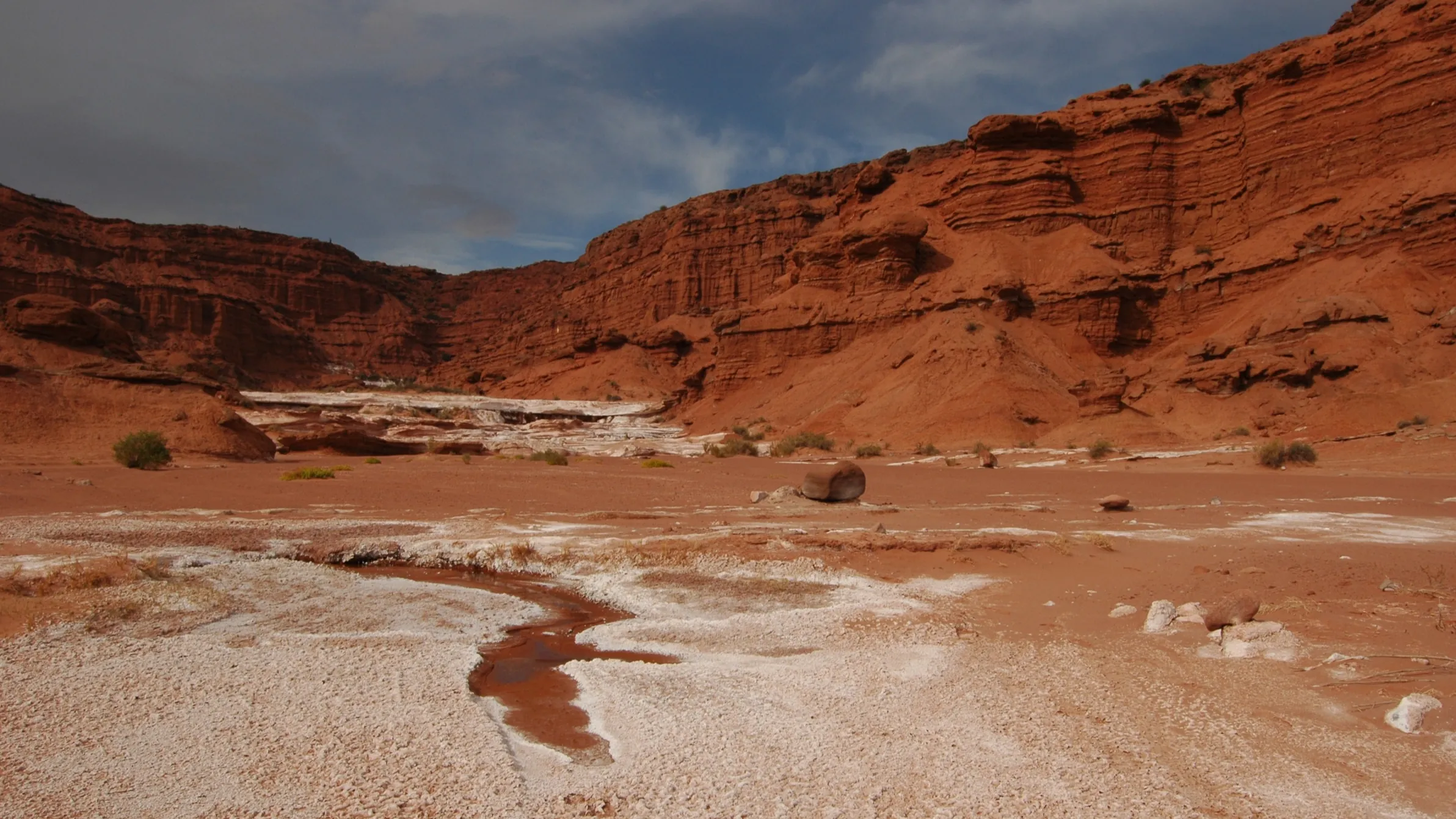
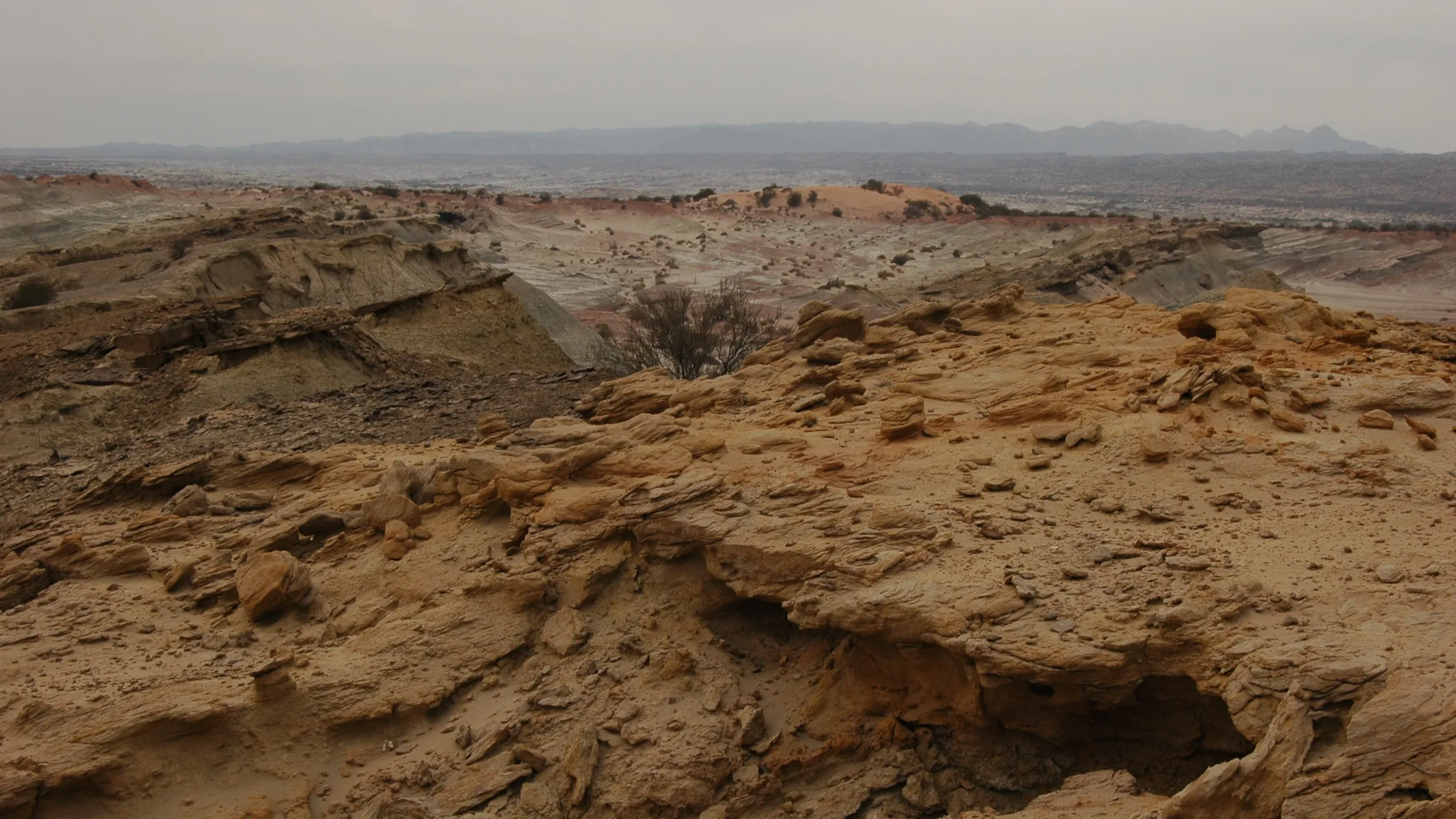
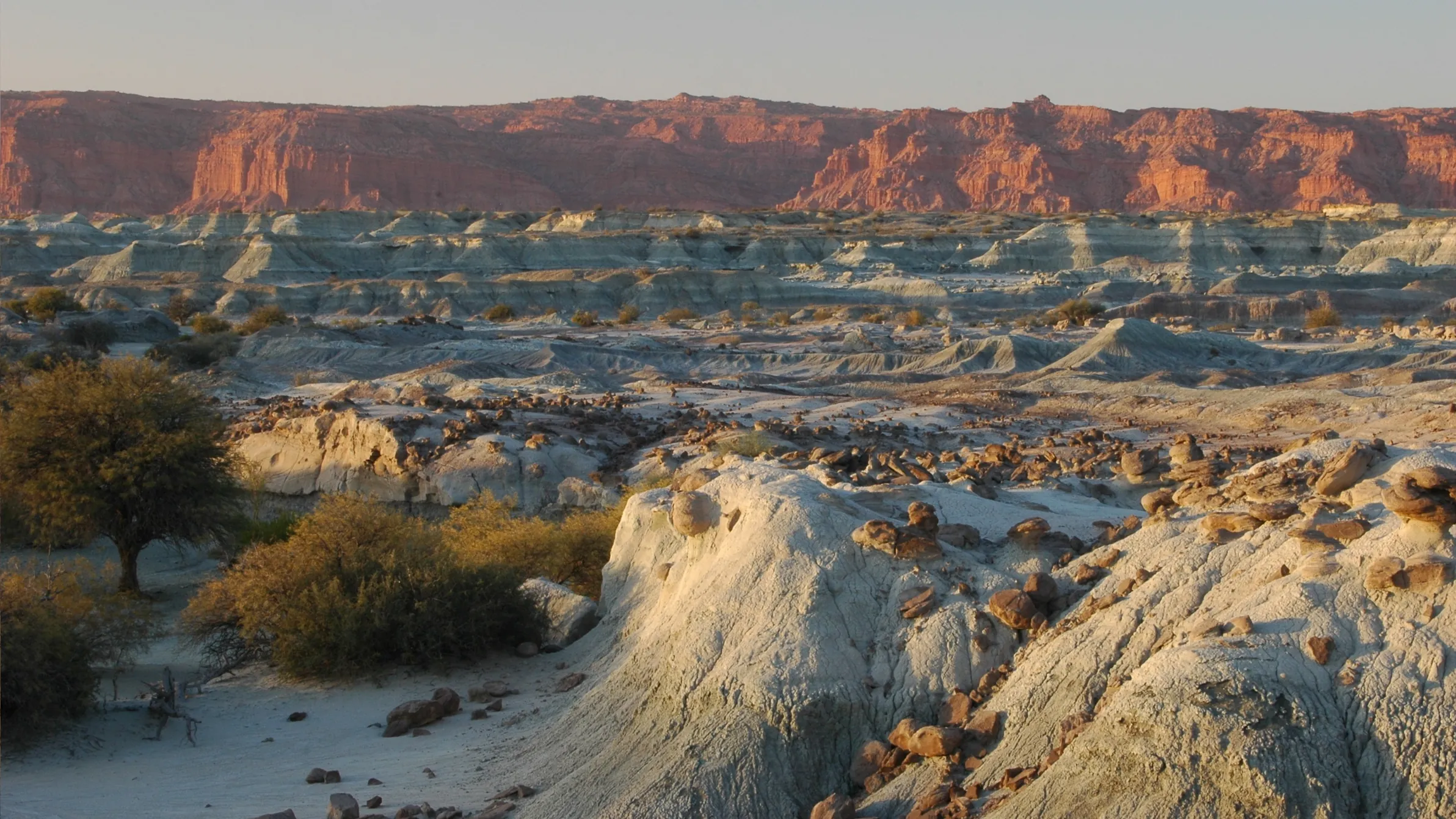
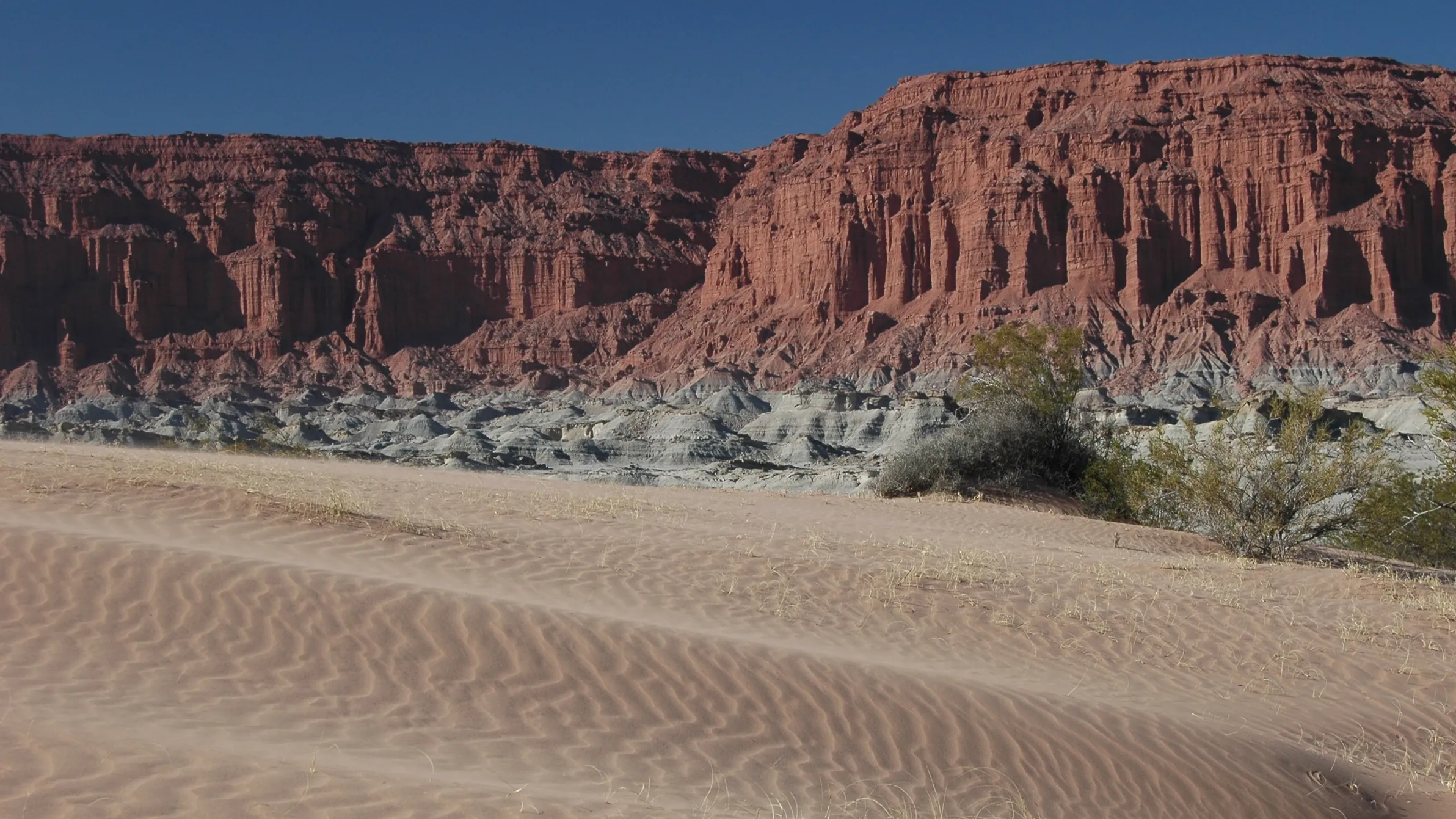
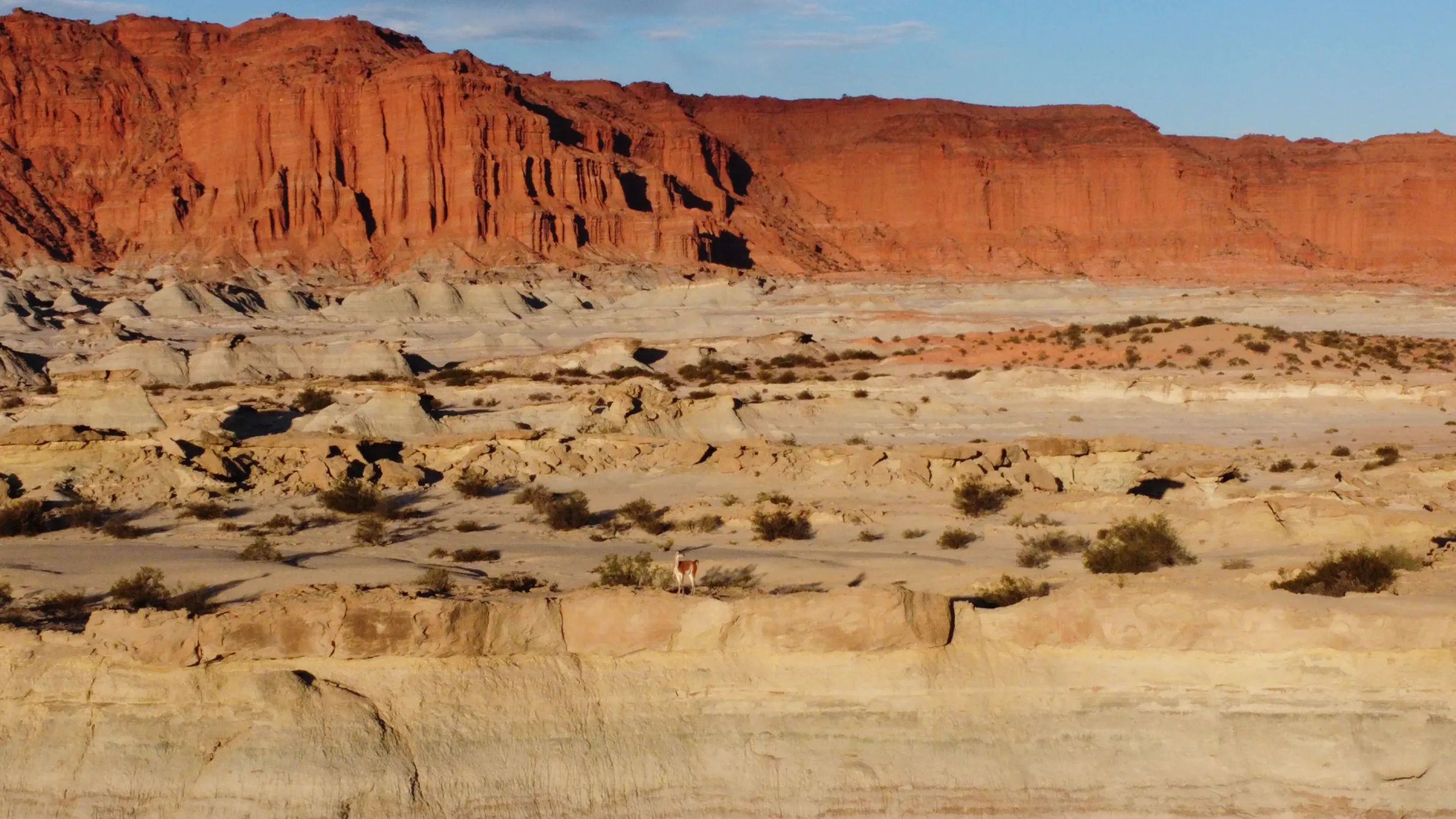
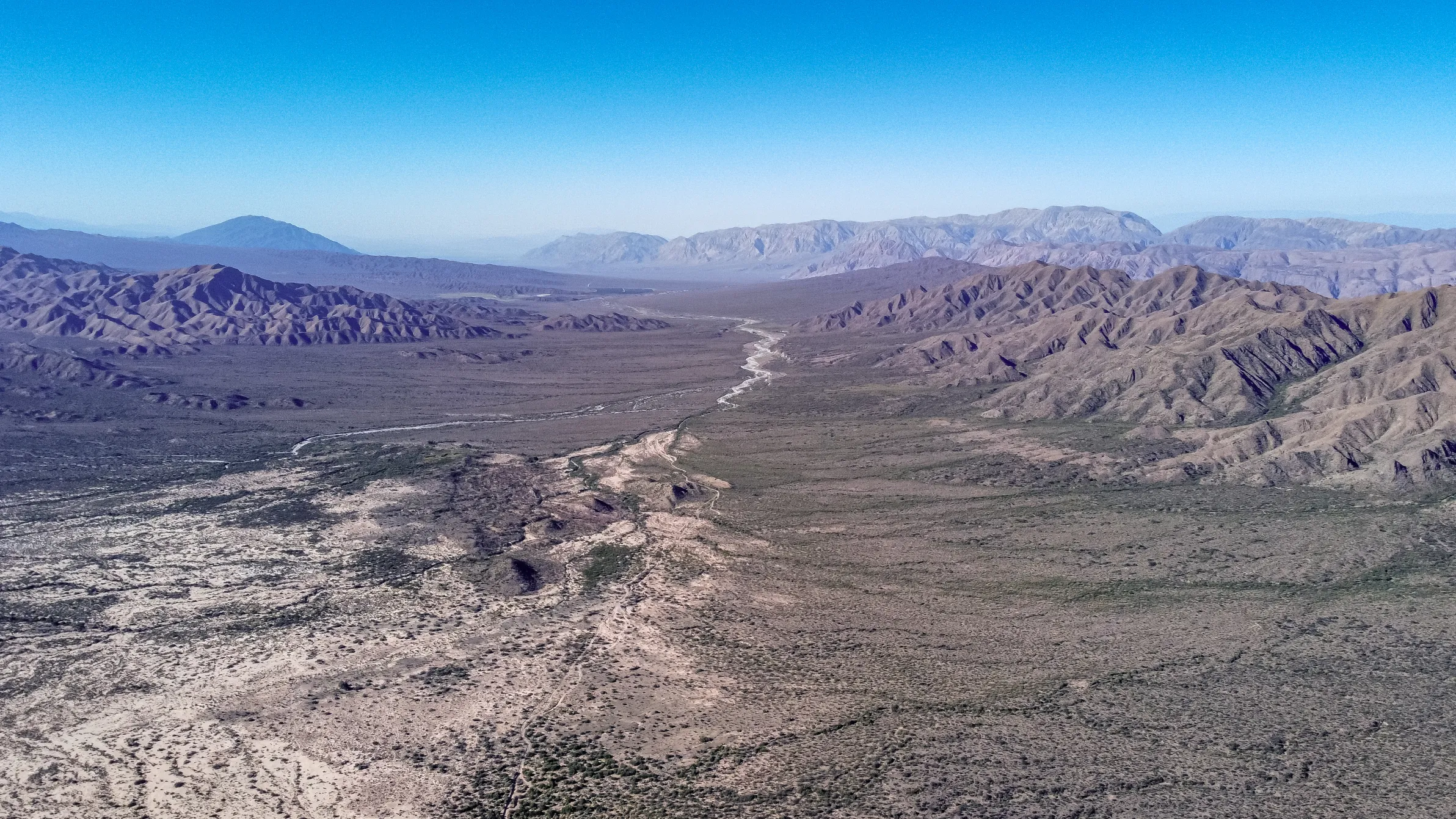
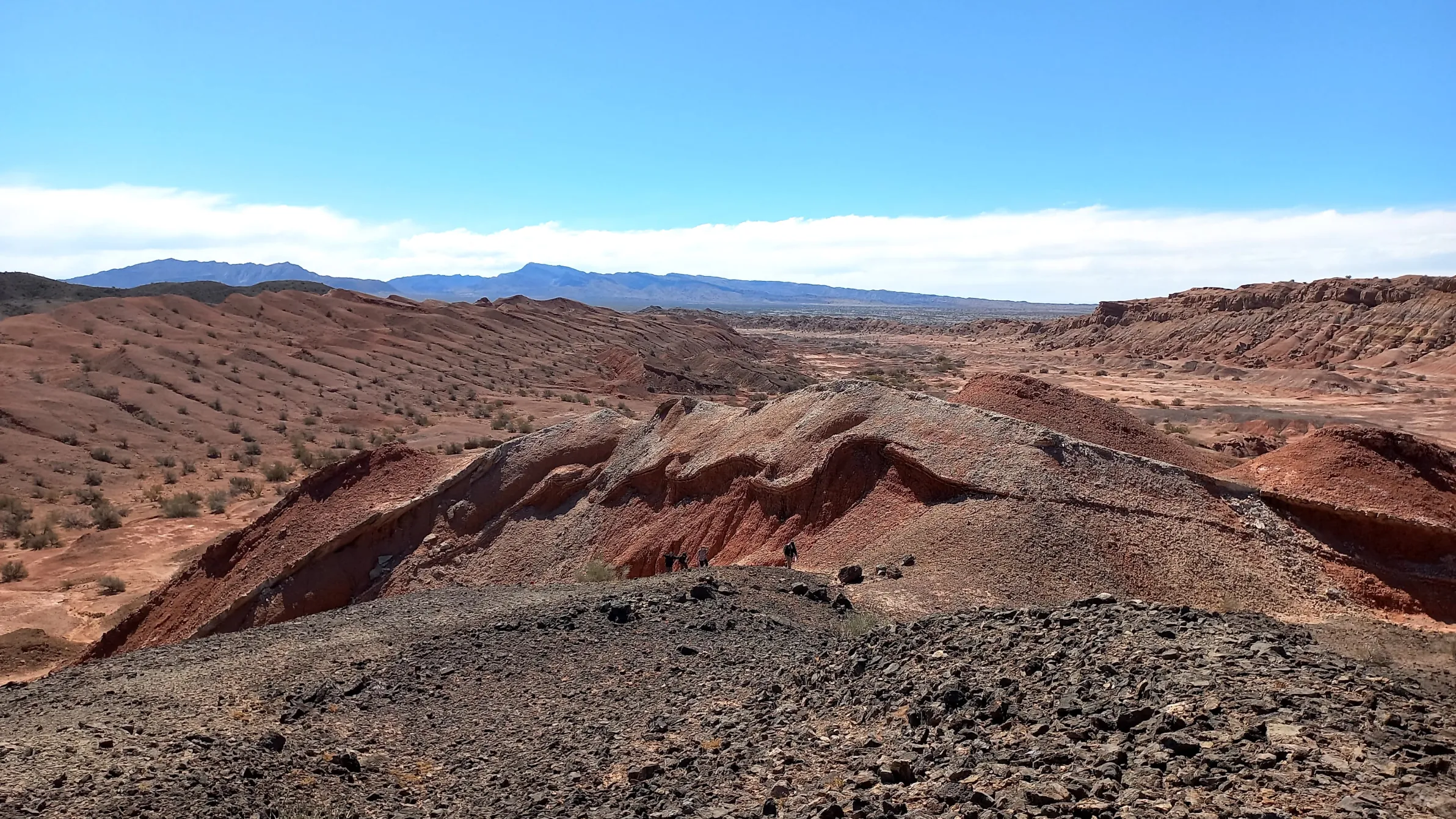
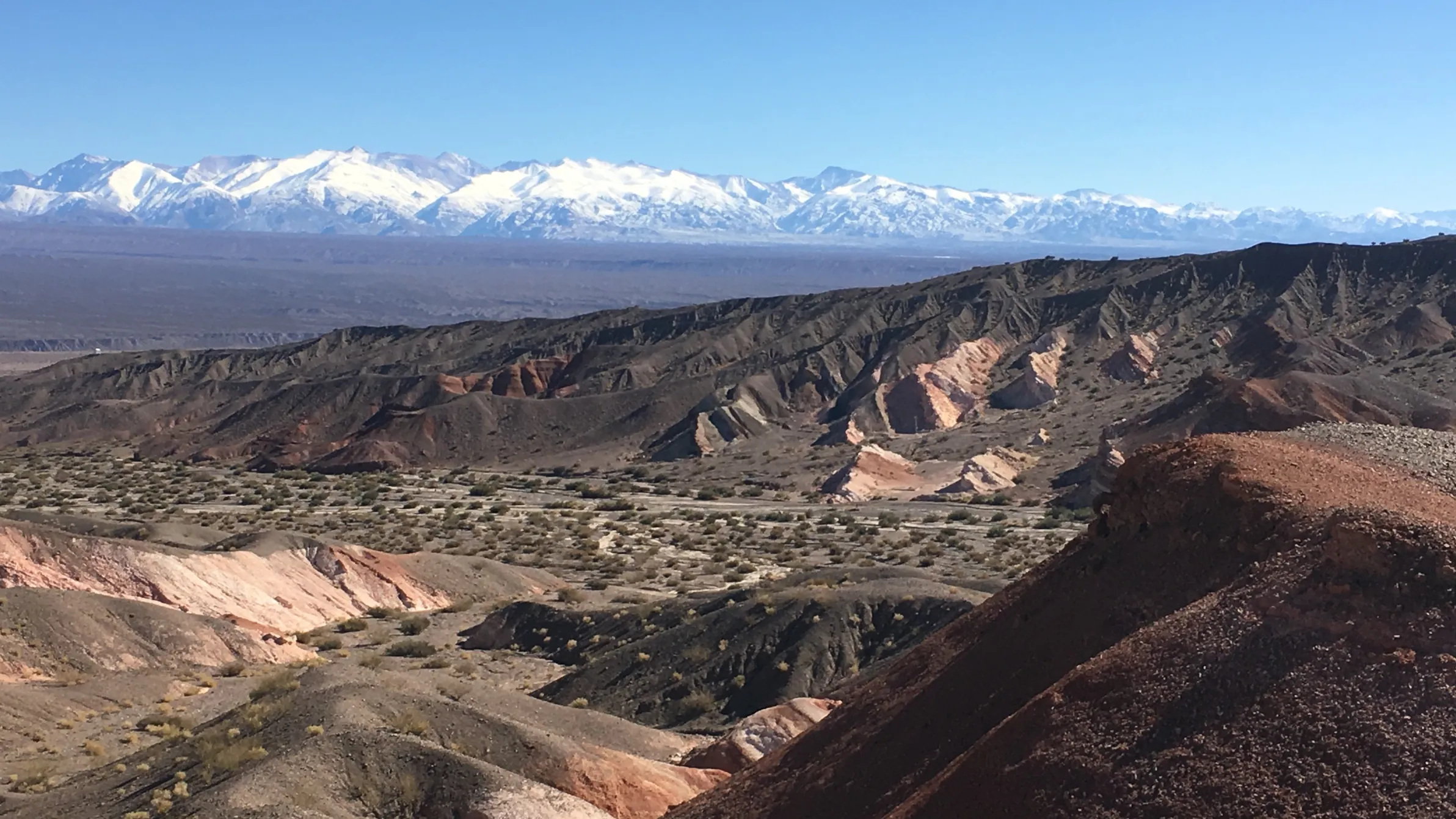
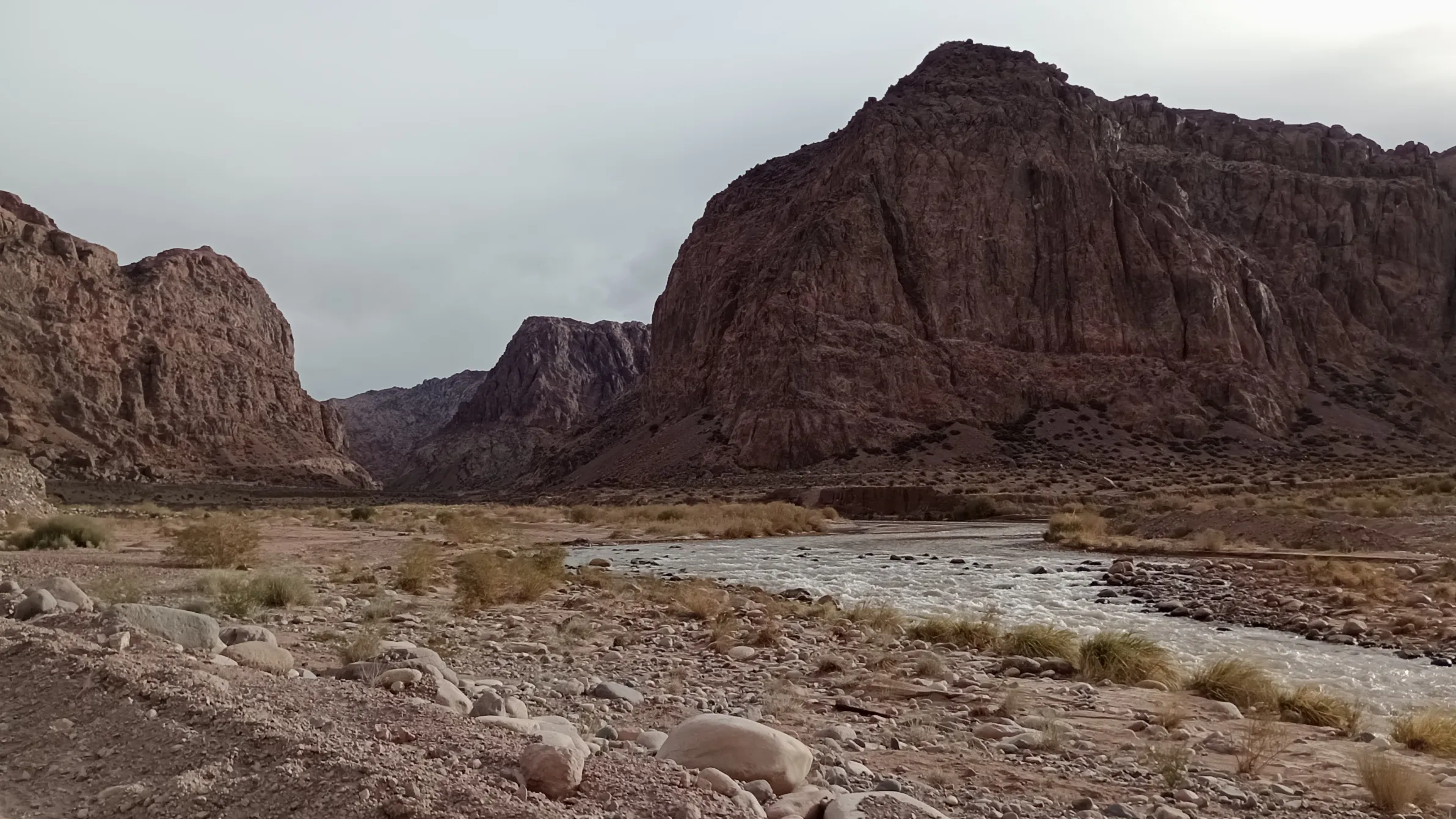
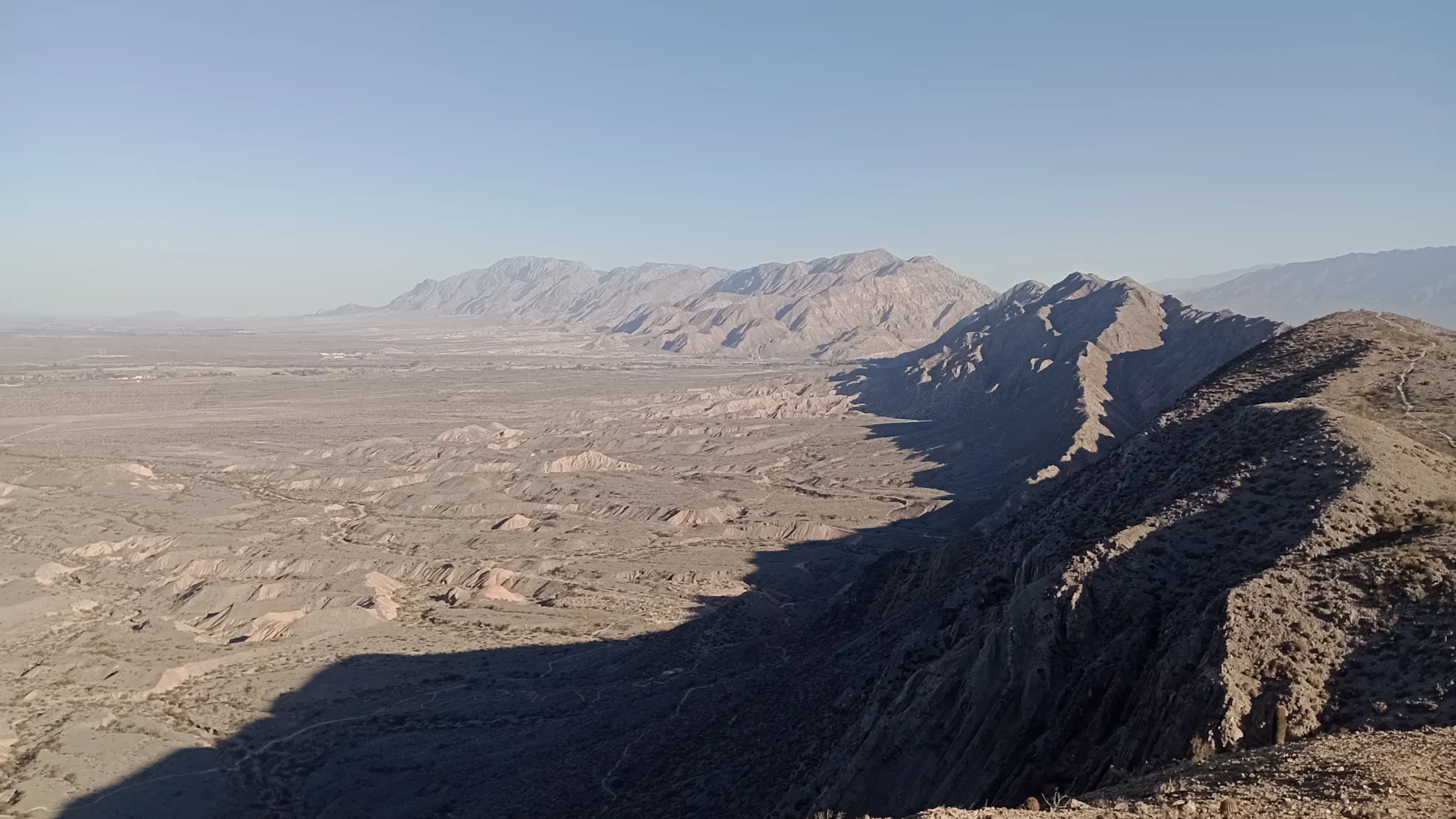
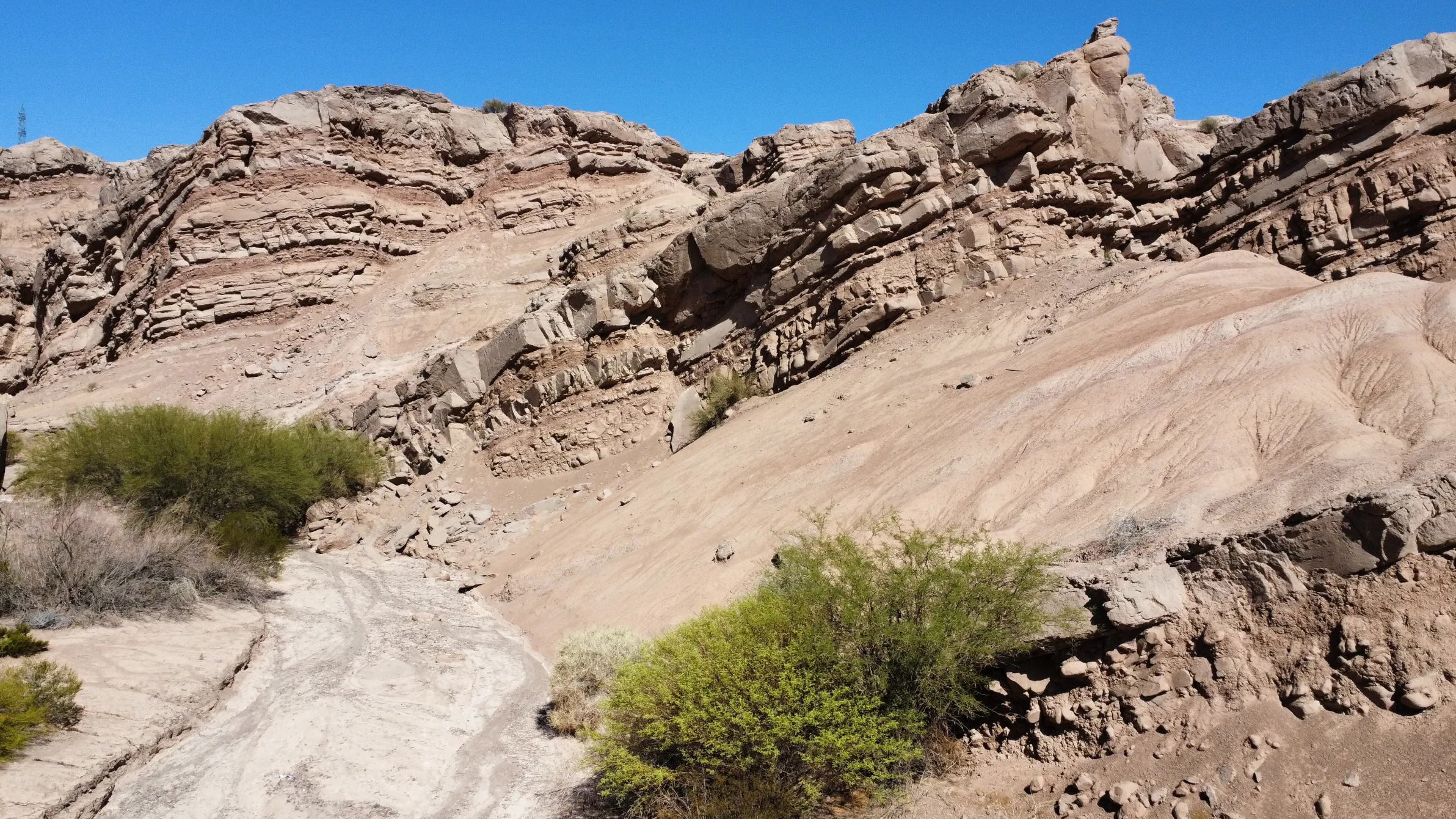
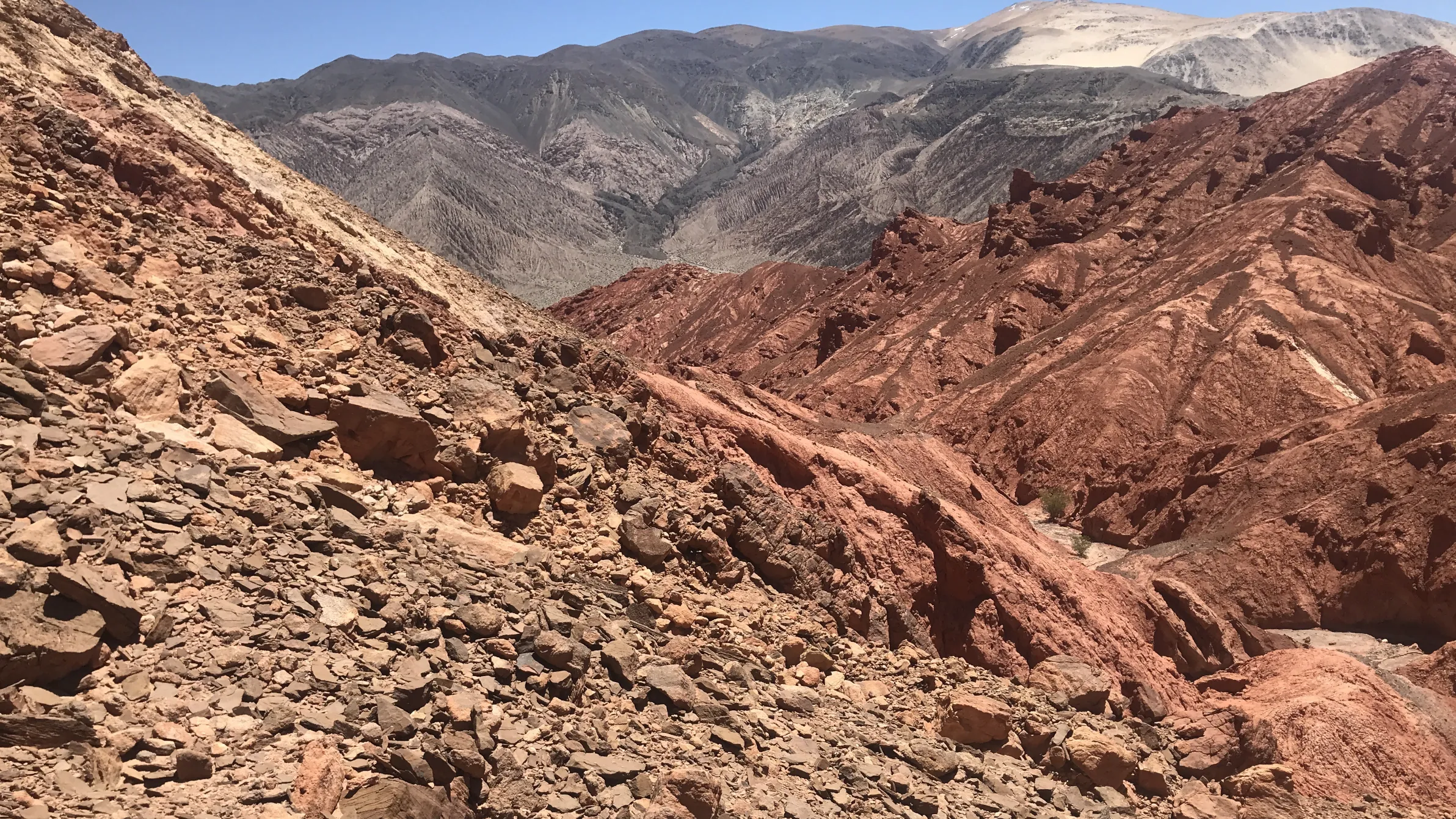
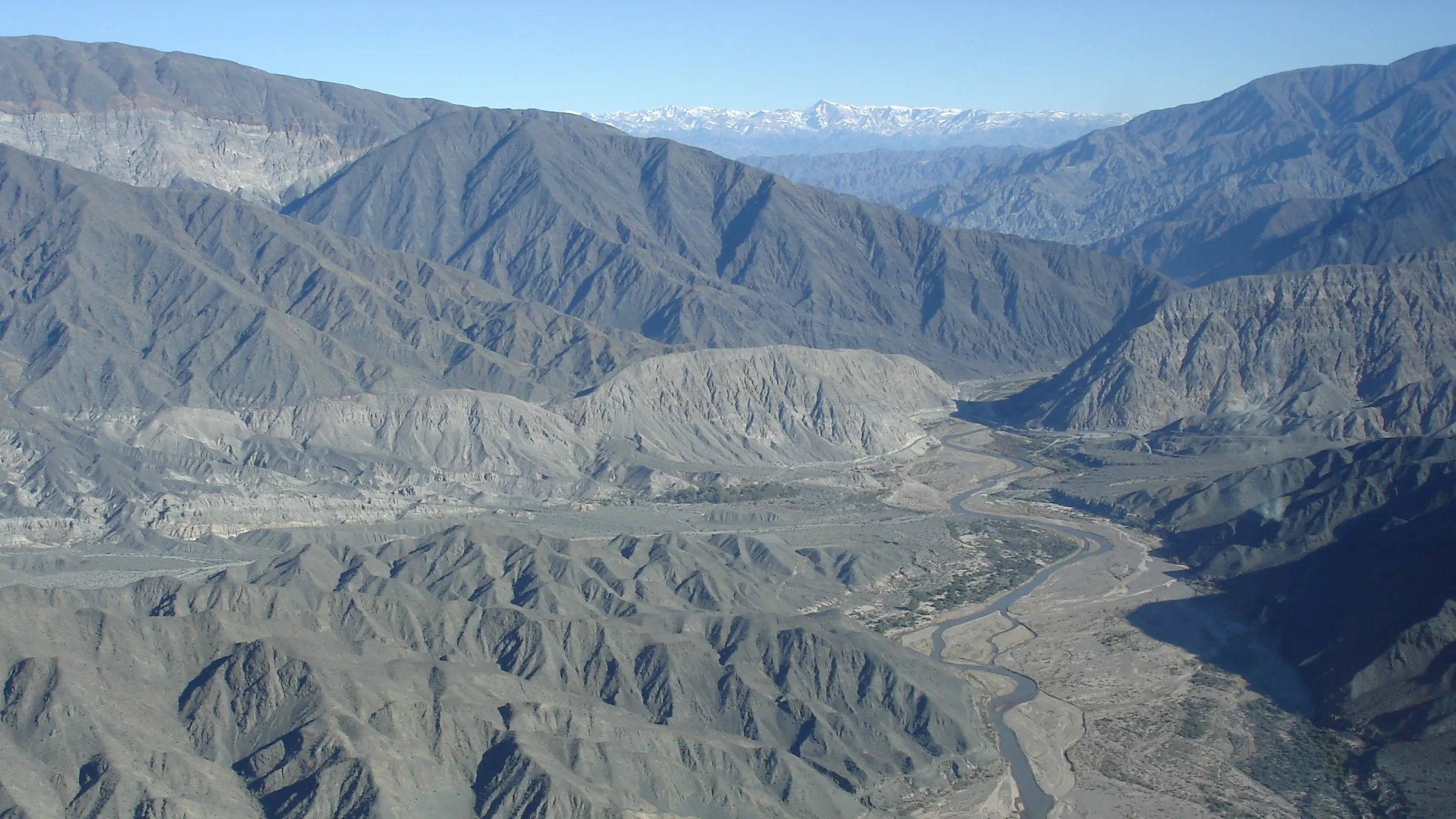
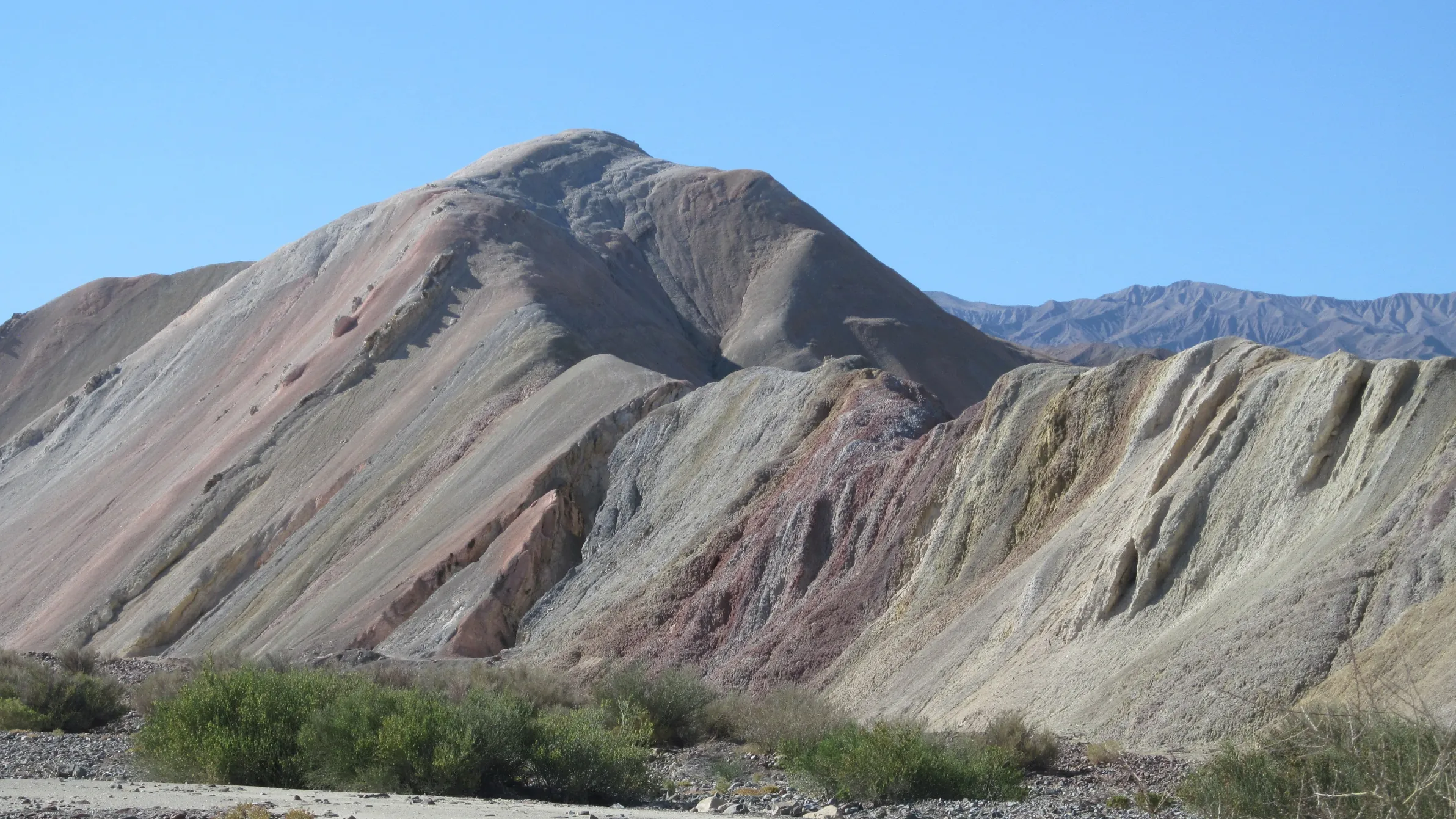
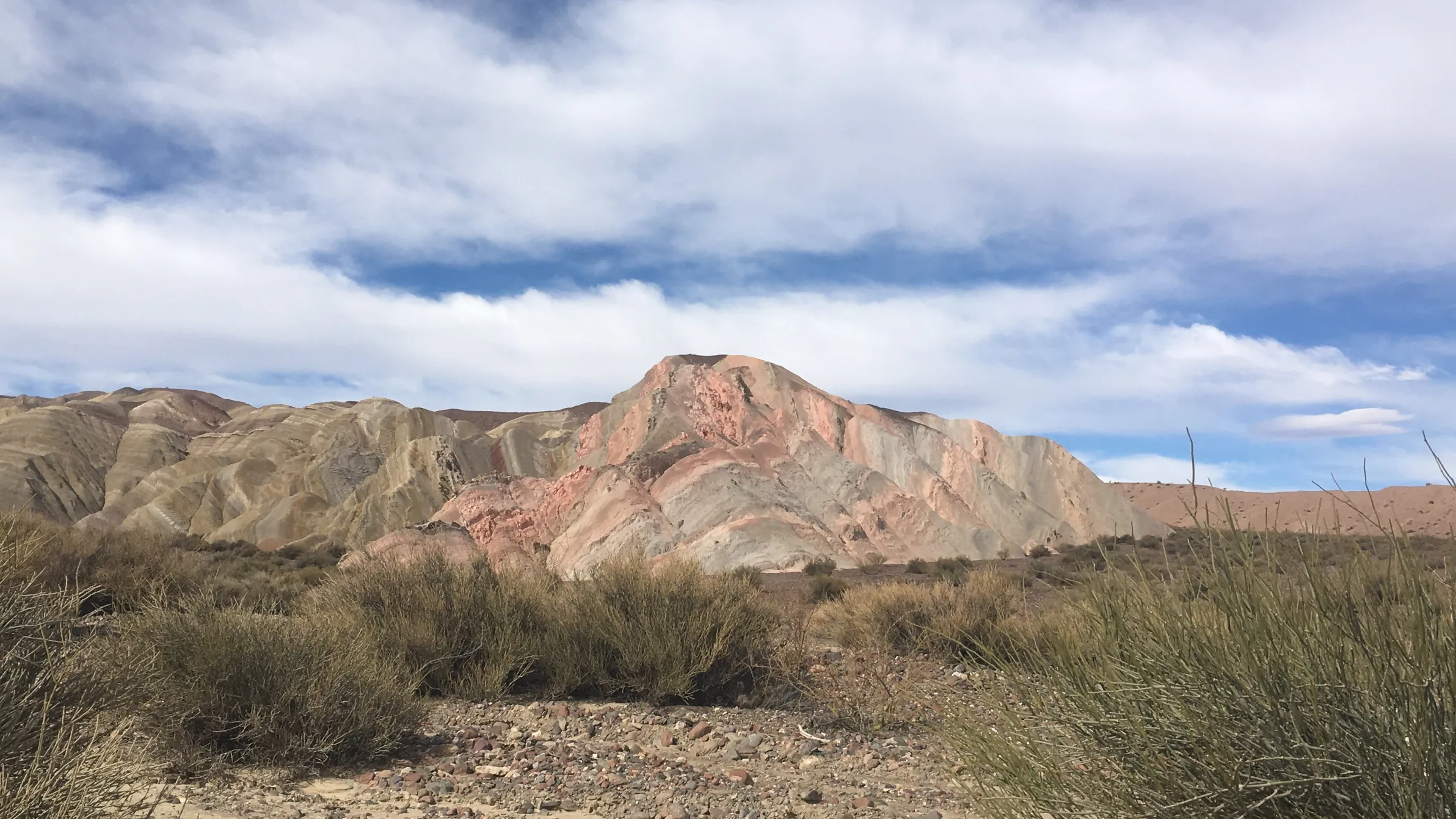
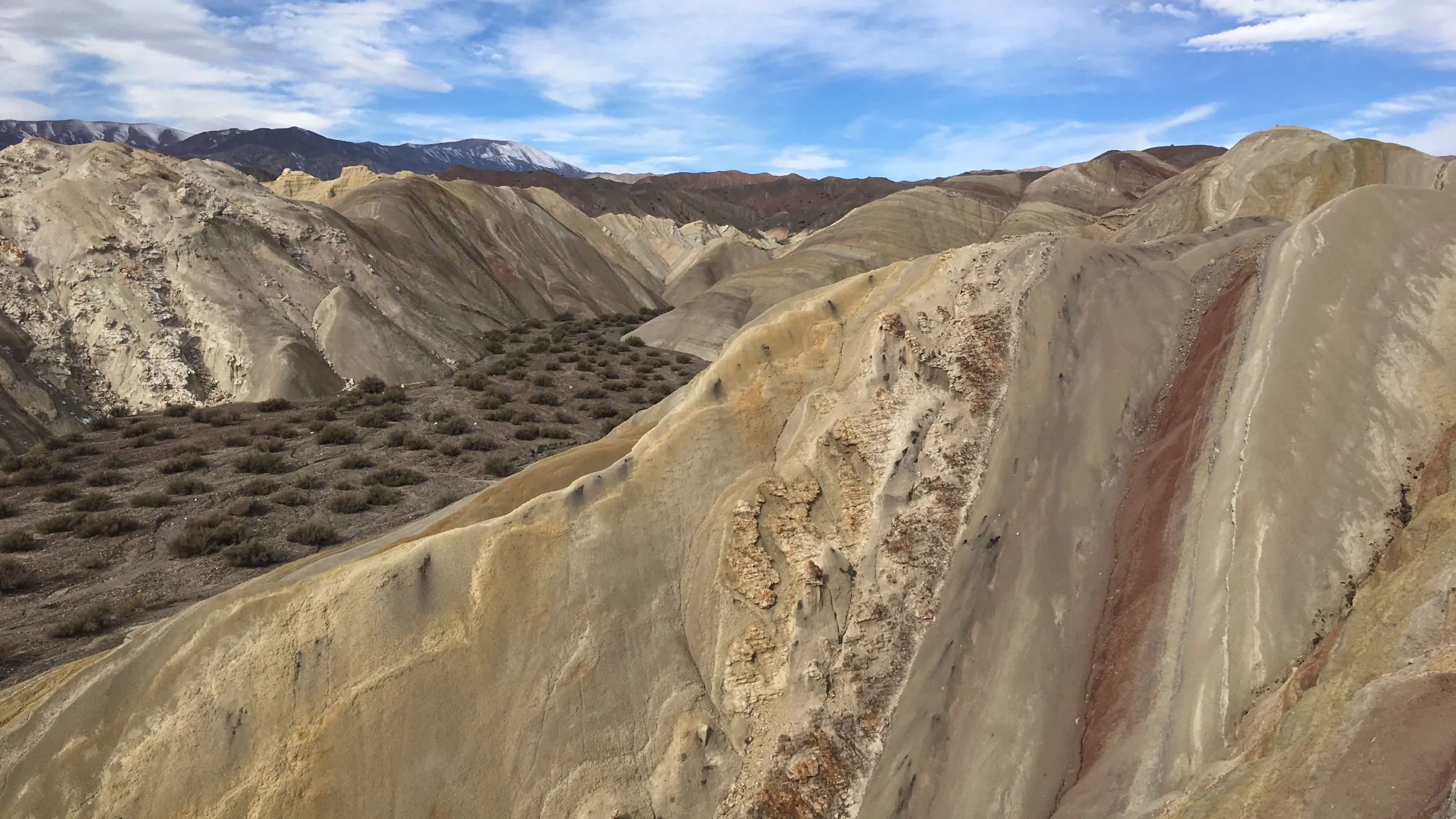
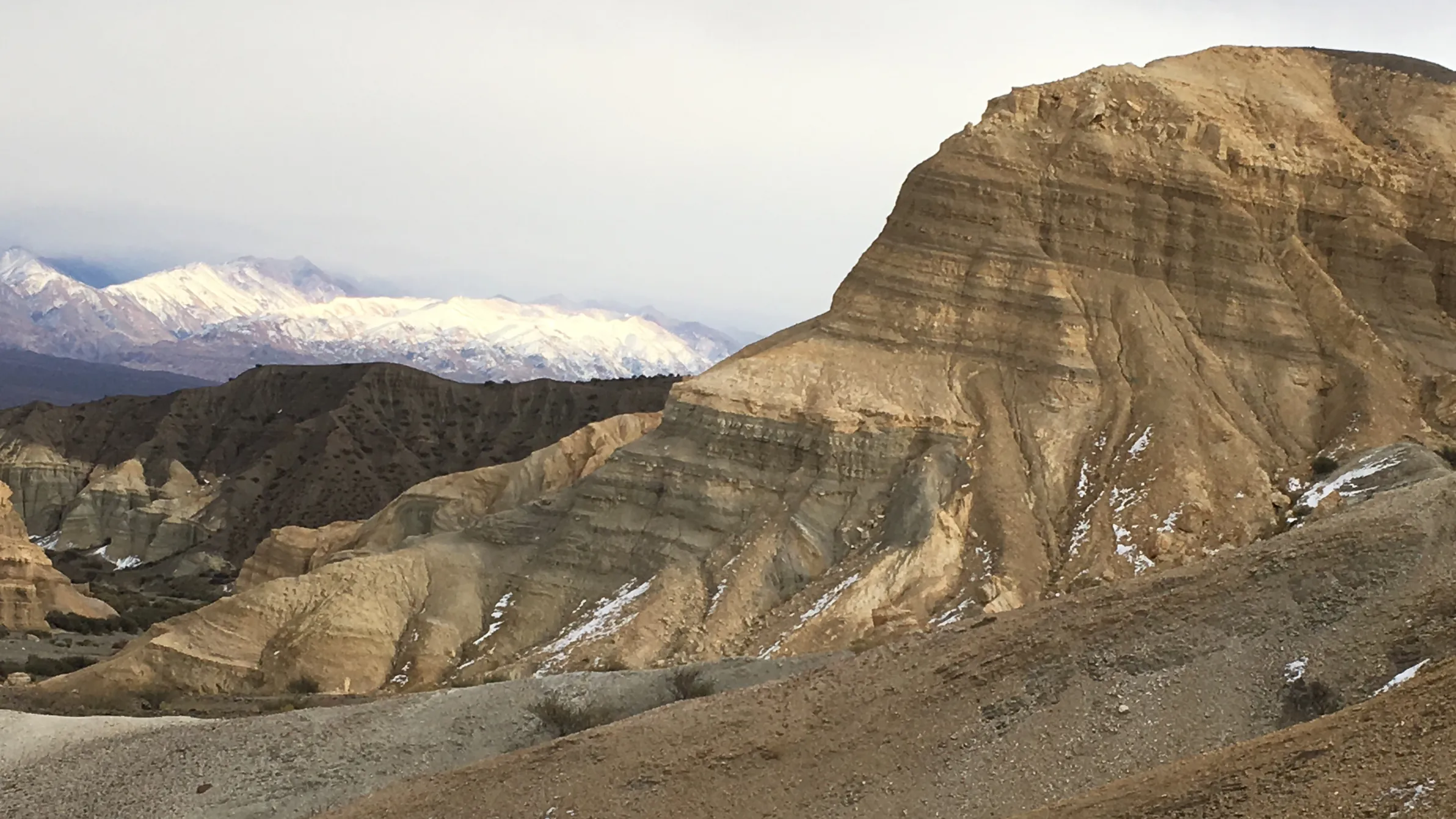
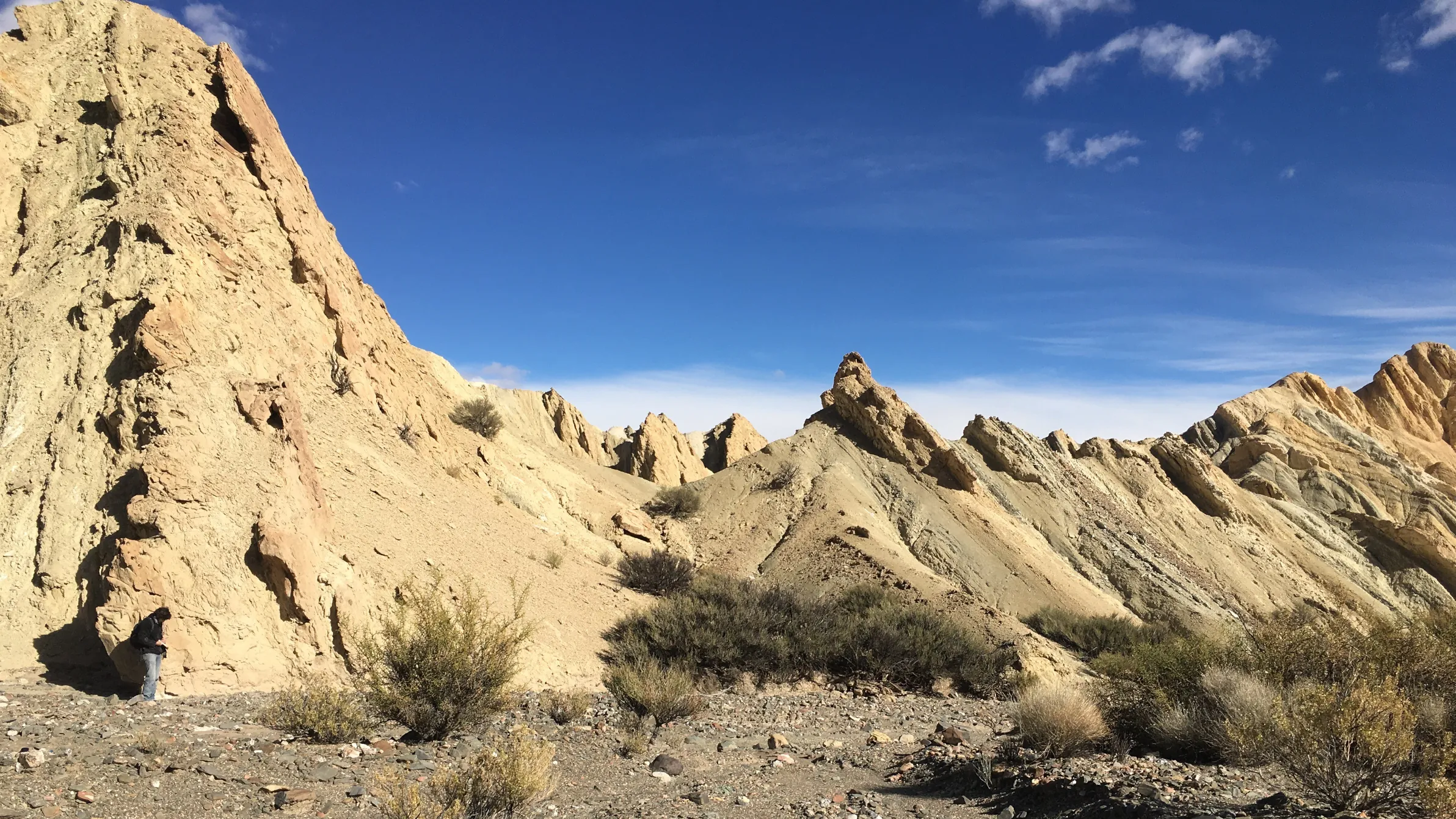
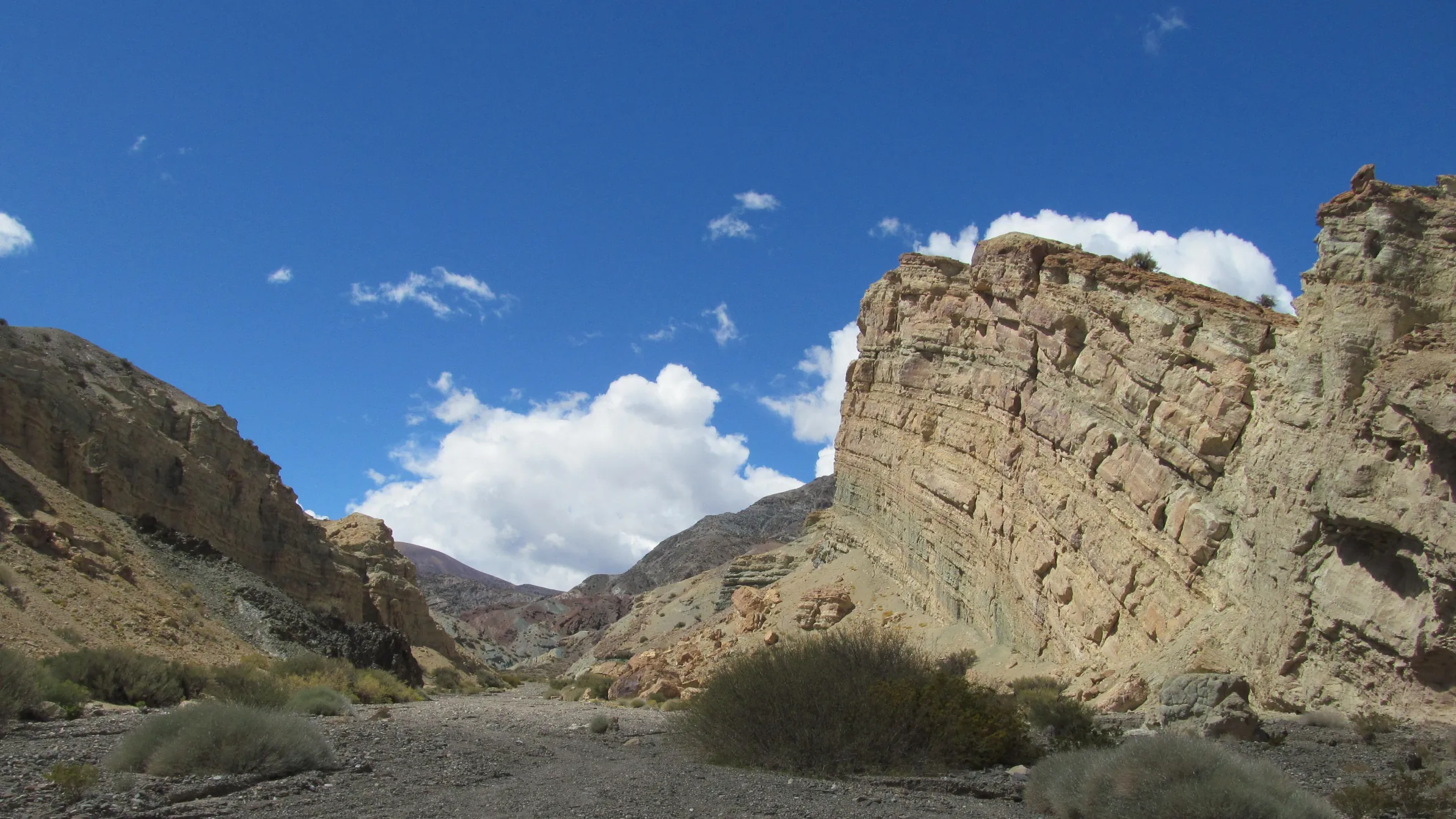
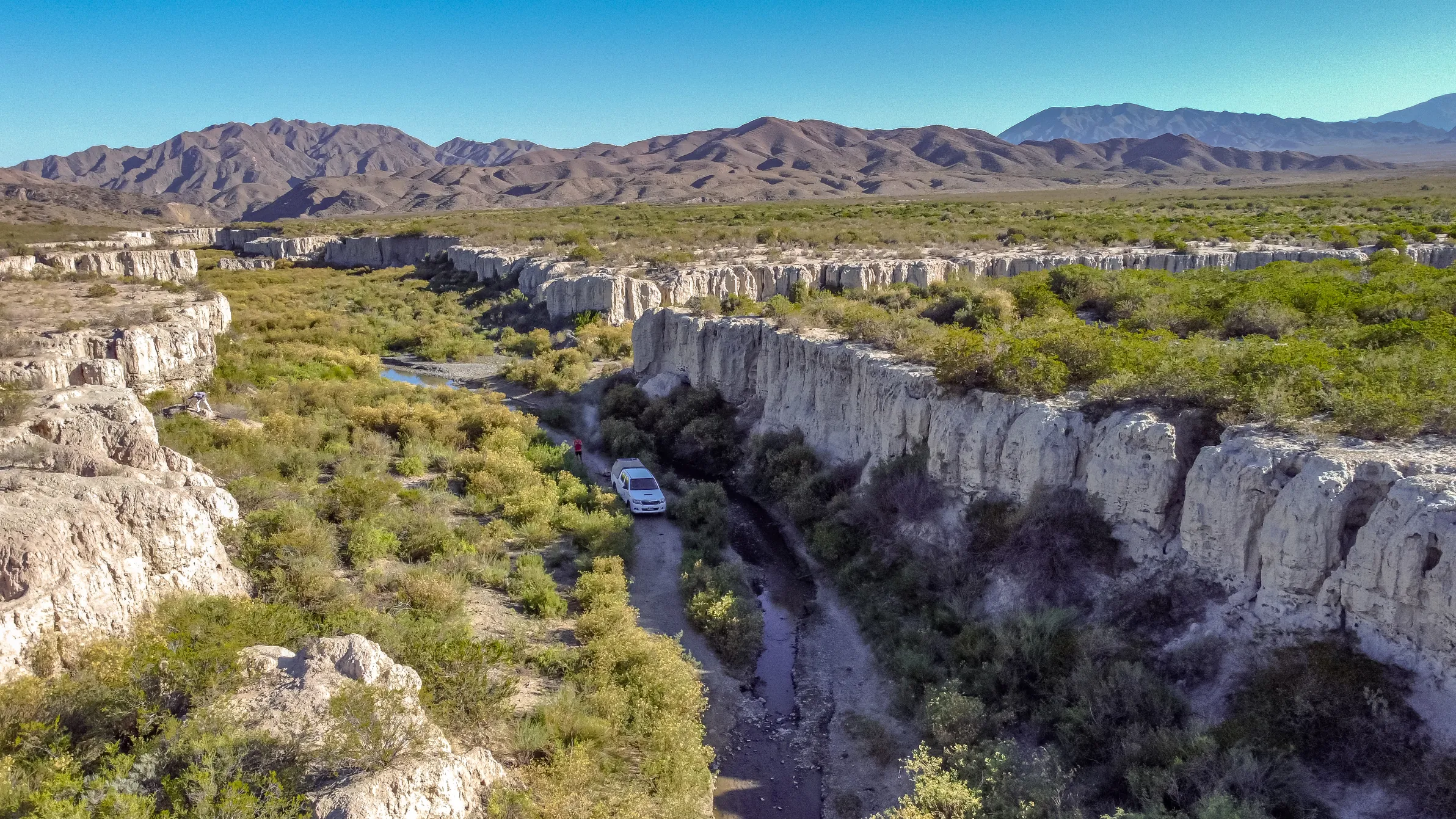
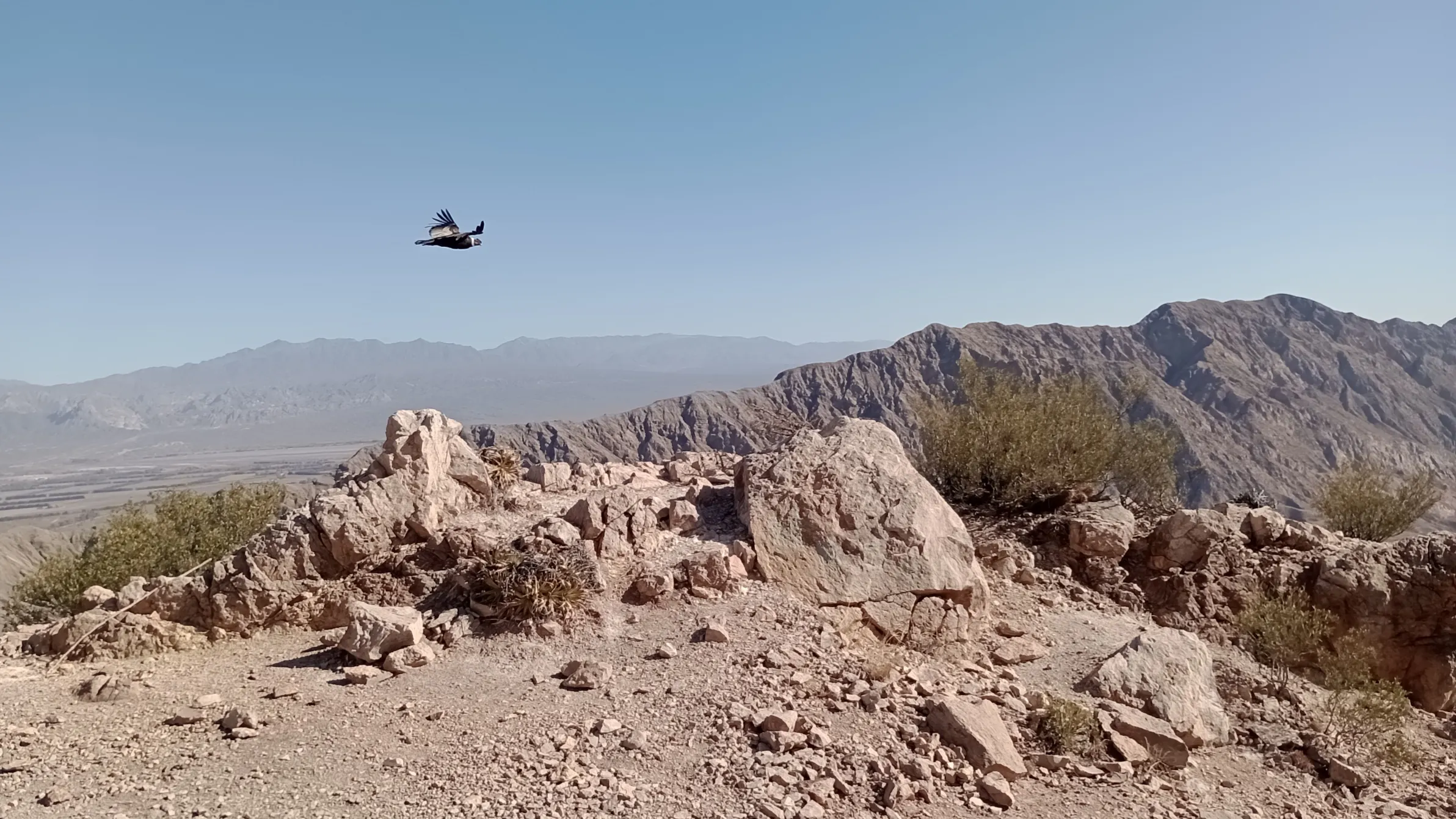
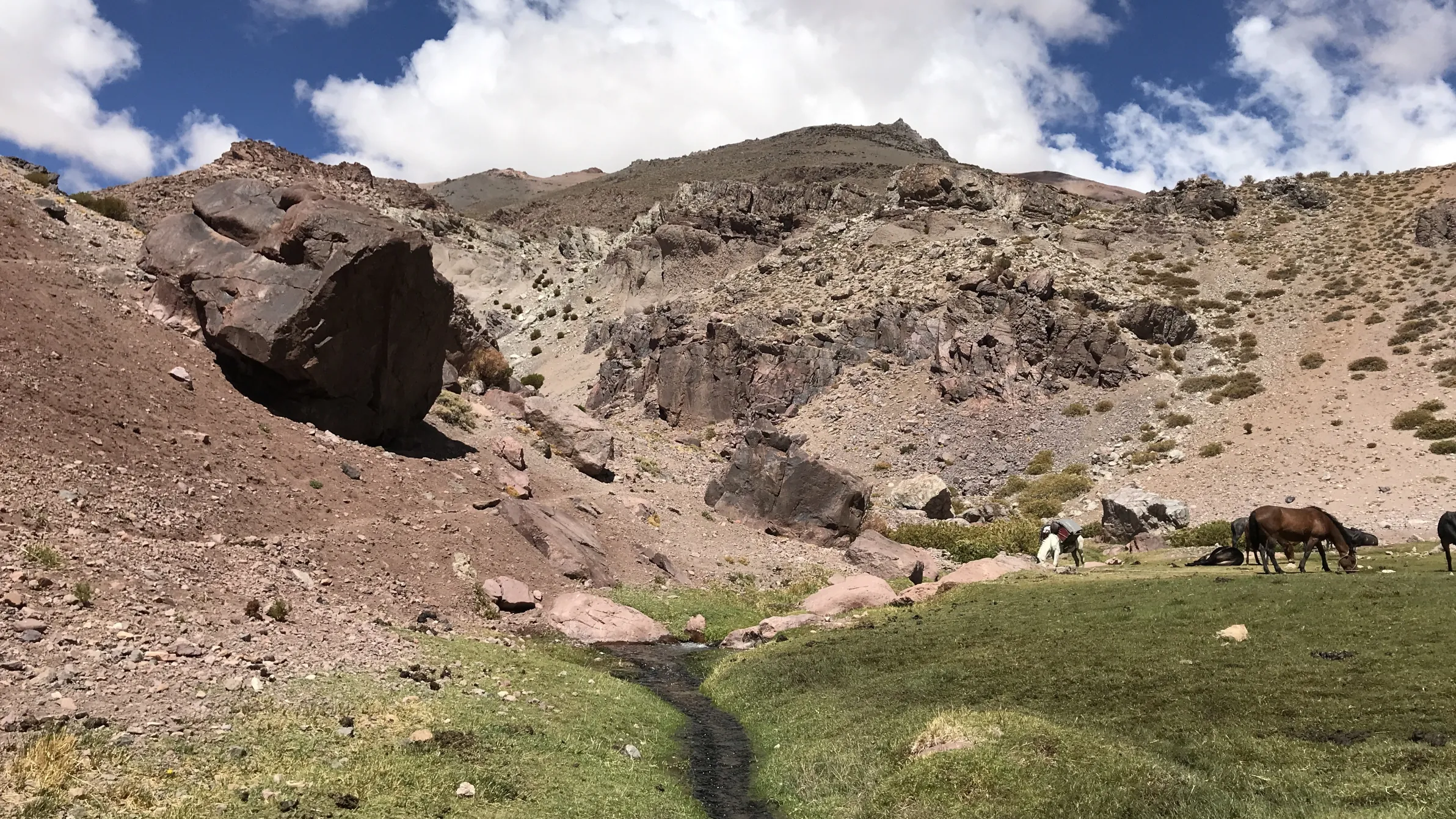
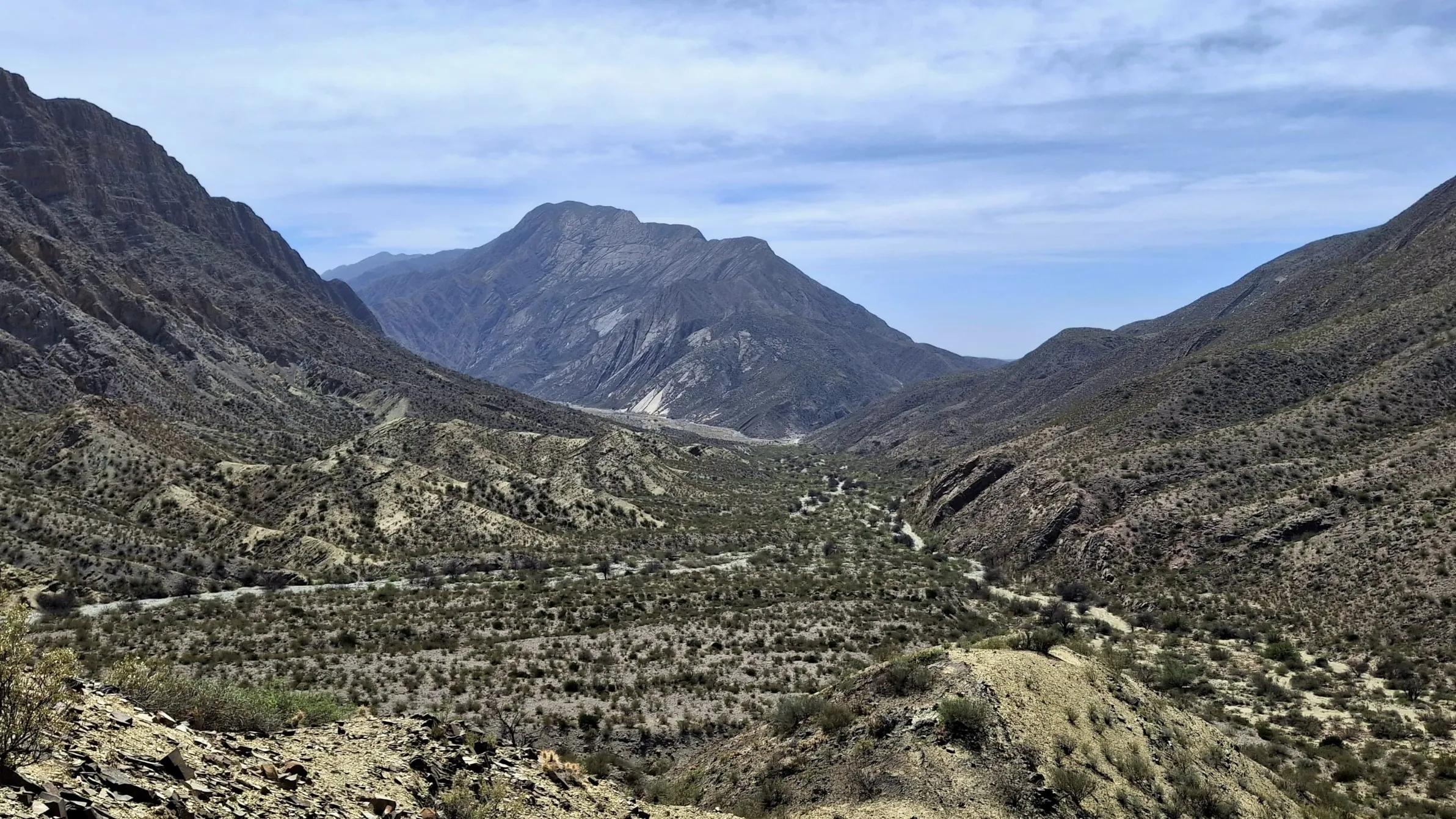
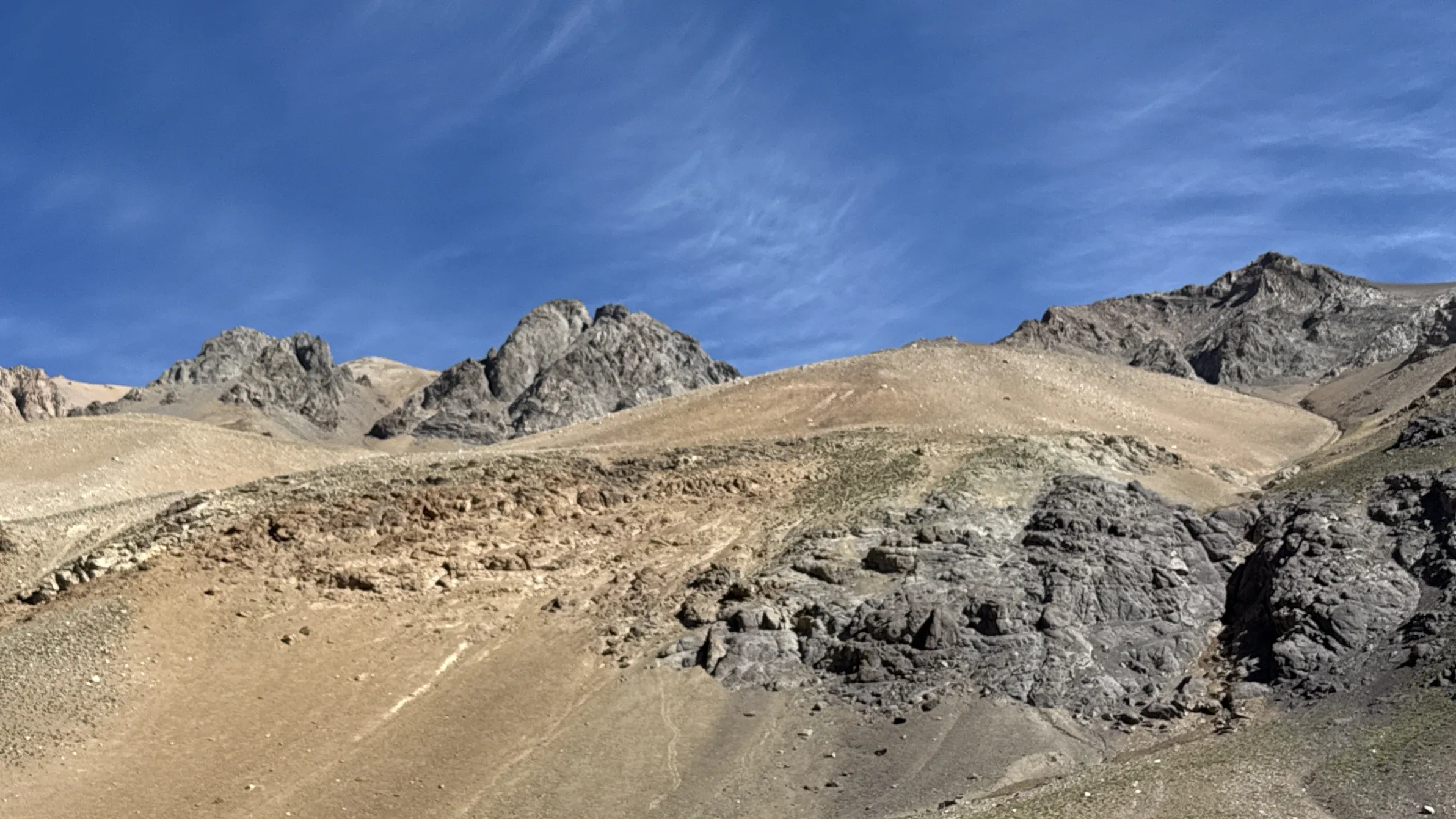
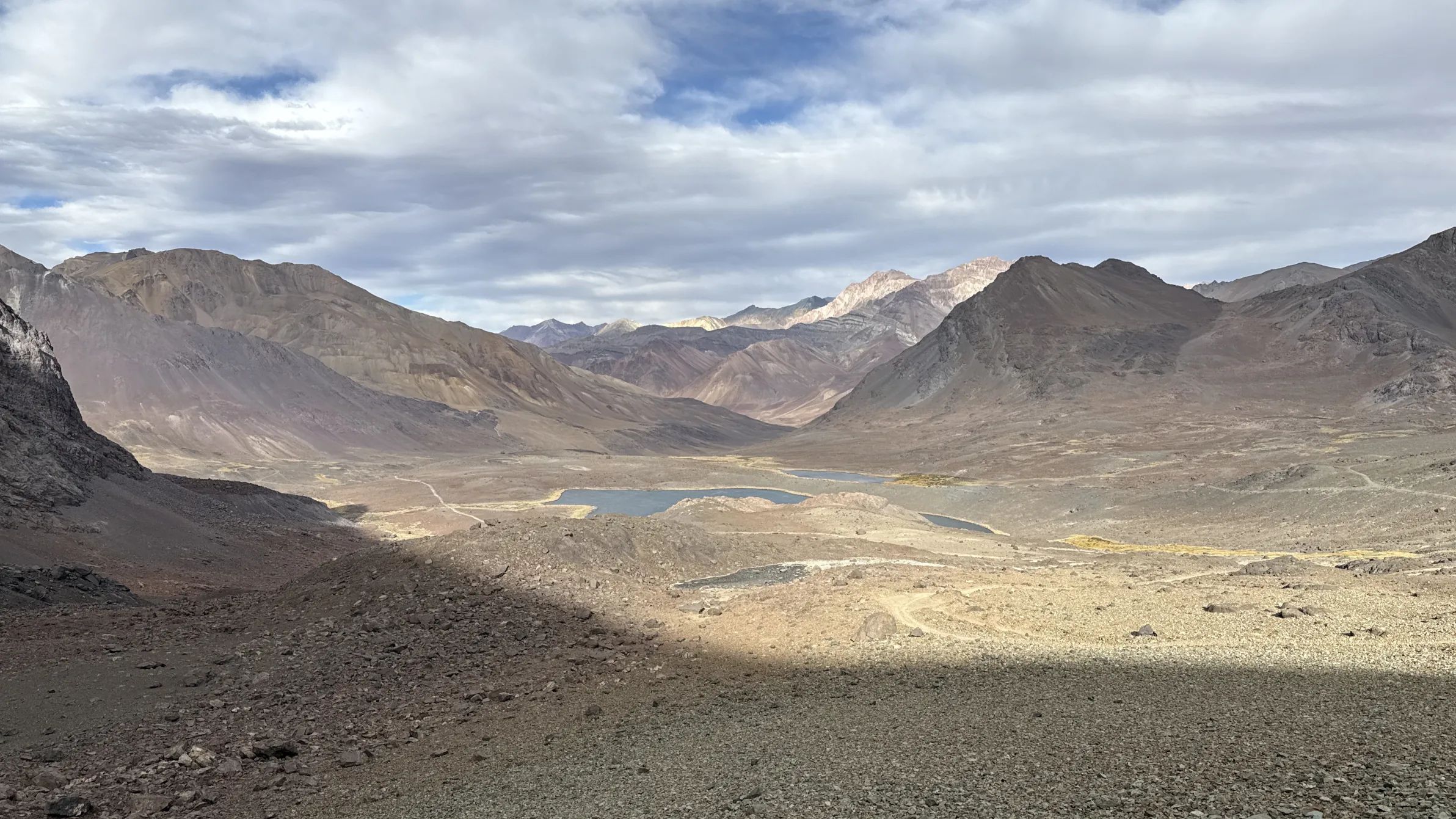
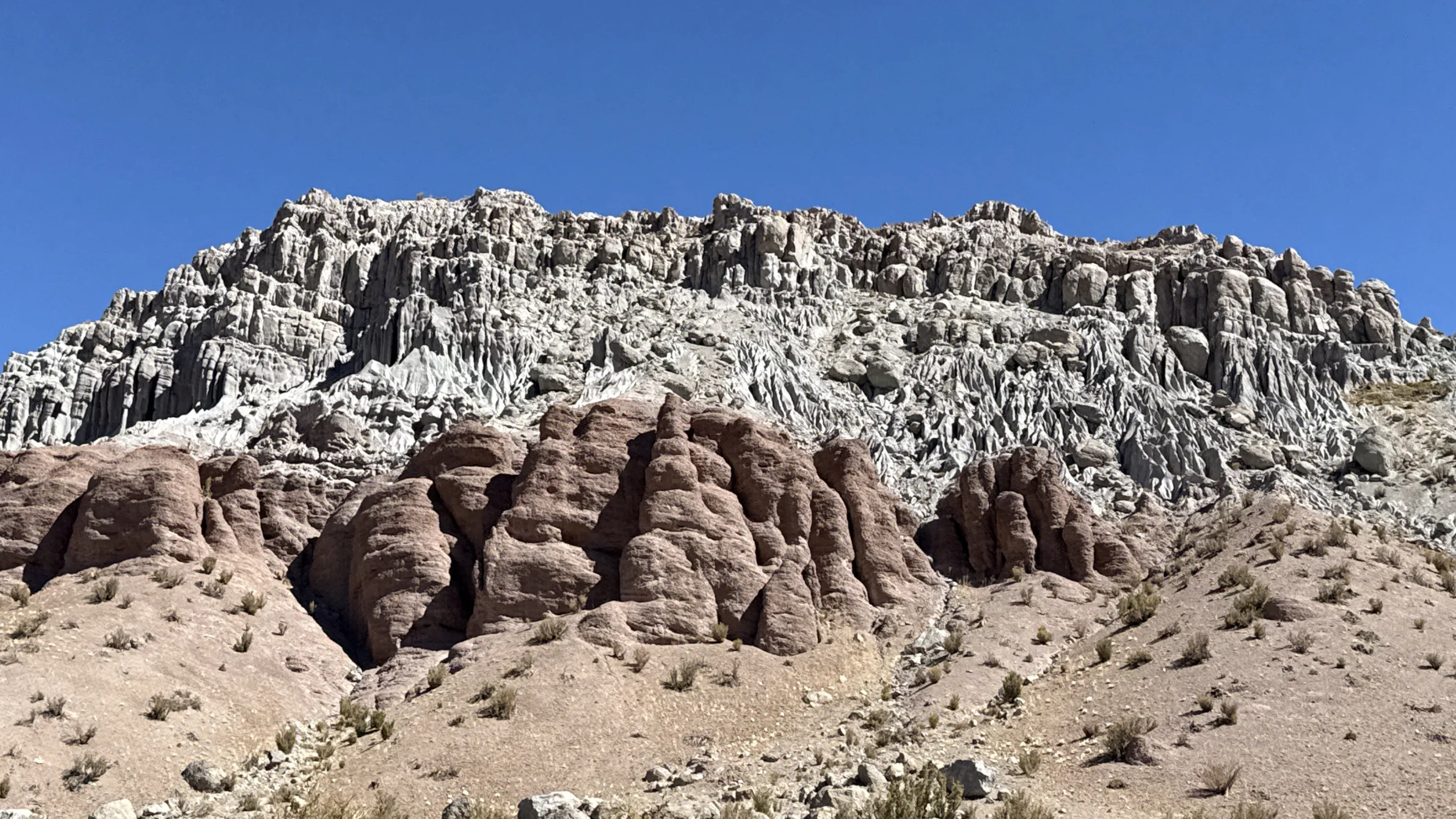
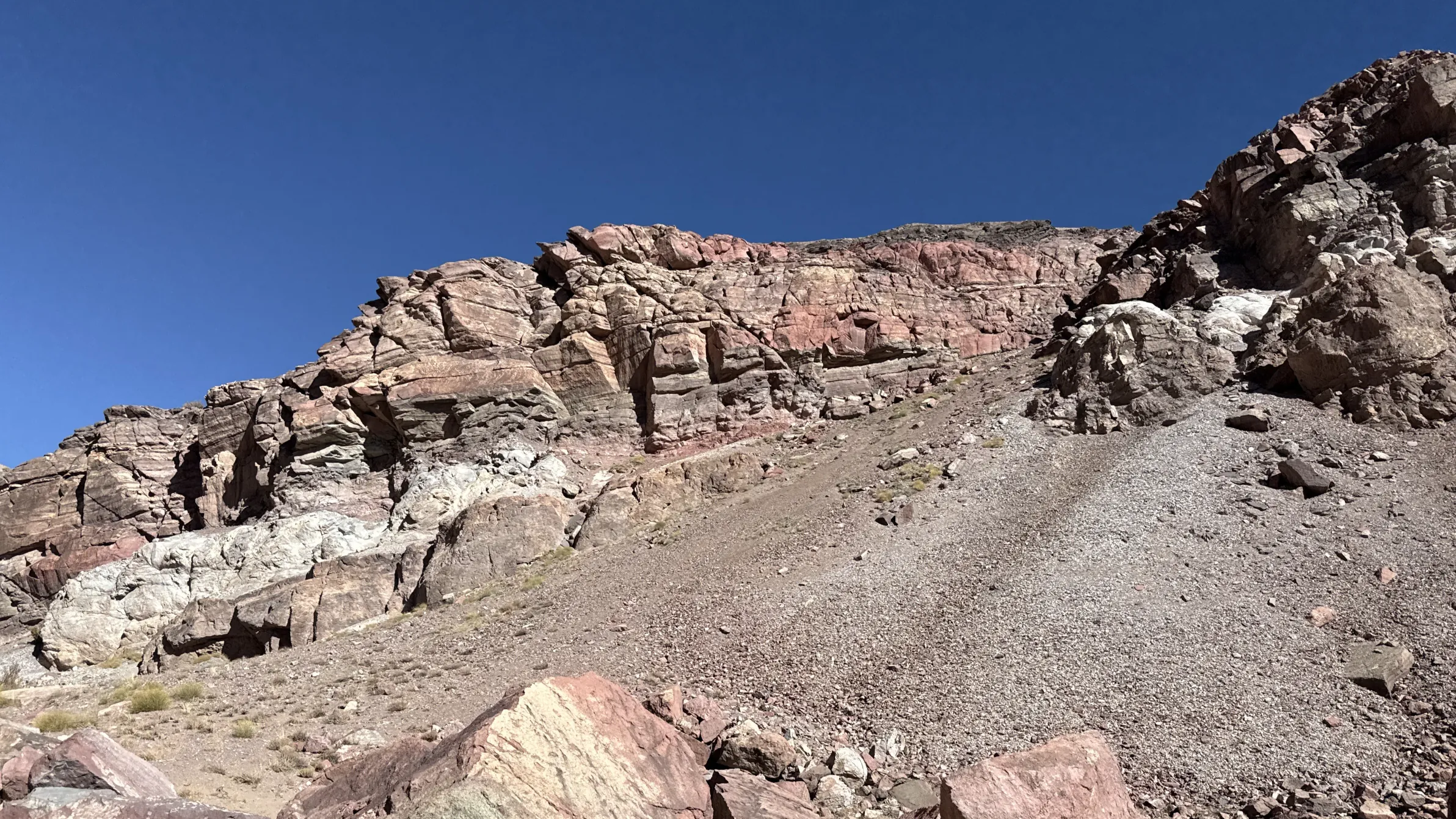
Here, the ancient Precordillera converges with its exceptional Paleozoic outcrops, the Sierras Pampeanas, and the majestic Main Andes Range, revealing a complex and fascinating tectonic history—from the accretion of continental terranes to the horizontal subduction of plates. This geological diversity is not only a delight for academic research but has also led to significant recent mining discoveries.
San Juan is Argentina’s second-most-important mining province, it boasts substantial gold, silver, and copper production, positioning it as a key hub for both industry and applied research.
Location and Access
San Juan is located in western Argentina, within the Cuyo region, bordering Mendoza to the south, San Luis to the southeast, La Rioja to the northeast, and Chile to the west. Main access routes include National Route 40 (from the north and south), National Route 141 (from the east), and National Route 150 (from the northwest), which connects to the Agua Negra International Pass—a high-altitude border crossing with Chile open only during the summer season.
San Juan in April: Climate and Logistics
April offers ideal conditions for outdoor, social, and especially field activities. It marks the beginning of autumn in the region, with pleasant temperatures that contrast with the intense summer heat and winter cold.
Average daytime temperatures range from 20°C to 25°C (68°F–77°F), while nighttime temperatures average around 8°C (46°F). We recommend visitors bring light, comfortable clothing for daytime and a jacket or light coat for mornings and evenings.
The City of San Juan: Modern and Welcoming
The capital city is modern, rebuilt after the devastating earthquakes of 1944 and 1977. Few buildings predate 1944, with the old railway stations offering rare glimpses into the city’s early 20th-century past. San Juan blends the functionality of a contemporary city with the calm rhythm of the Cuyo region.
Getting Around
San Juan is easy to navigate. Most distances are short enough for walking. There is also reliable public transportation, including buses (https://www.redtulum.gob.ar/app), as well as affordable private ride services via apps, remises, and taxis—all available at moderate prices.
Connectivity
The Domingo Faustino Sarmiento Airport (UAQ) connects San Juan with flights from Buenos Aires. From Buenos Aires, travelers can easily connect to most Argentine provinces and international destinations.
Additionally, the Mendoza Airport, which offers numerous domestic and international flights, is only two hours away from San Juan and provides regular bus and taxi services.
Long-distance buses also connect San Juan with many cities across Argentina and Chile.
Gastronomy and Wines
San Juan’s gastronomy reflects the rich culinary heritage of the Cuyo region, where asado—particularly the famous punta de espalda cut—is one of the most iconic dishes, ideally paired with local wines. This cut of beef is enjoyed grilled, oven-roasted, or flame-cooked, embodying the province’s deep-rooted culinary tradition centered around fire and social gatherings.
San Juan is Argentina’s leading producer and exporter of virgin olive oil, renowned for its quality and authenticity. The province also excels in the production of walnuts and pistachios, thanks to its privileged climate and fertile lands.
In terms of winemaking, San Juan features numerous wineries spread across valleys such as Tulum, Ullum–Zonda, Calingasta, and Pedernal, where tradition meets innovation to create wines with unique character. Its Syrah, Malbec, Bonarda, and Cabernet Sauvignon, along with white varietals like Torrontés and Chardonnay, have achieved national and international recognition for their expressive identity and balance.
San Juan also stands out for its high-altitude wines, crafted in regions above 1,300 meters (4,265 ft) a.s.l., such as the Calingasta and especially the Pedernal Valley. In these Andean environments, the dry climate, wide daily temperature range, and intense sunlight promote slow, balanced grape ripening, resulting in wines of great aromatic concentration, natural acidity, structure, and terroir expression. Varieties such as Malbec, Cabernet Sauvignon, Syrah, and Cabernet Franc are noted for their elegance, personality, and depth.
The combination of rich culinary tradition, exceptional regional products, and a diverse, high-quality wine industry makes San Juan a unique food and wine destination, where every glass and dish tell the story and spirit of its land and people.
Halls / Auditoriums
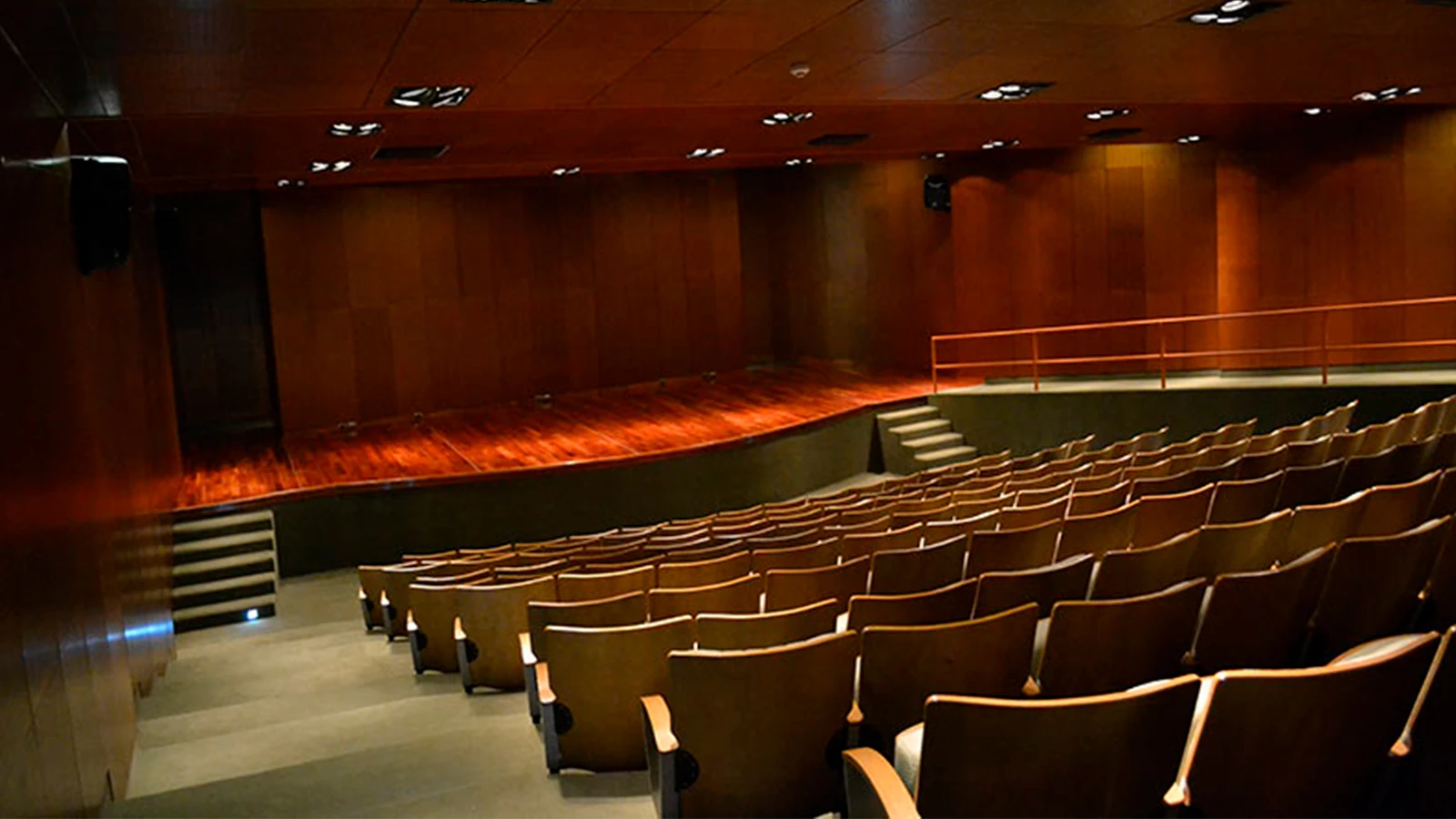
Franklin Rawson Museum Auditorium
The Auditorium of the Museo Provincial de Bellas Artes Franklin Rawson is located on the museum’s lower level and has a seating capacity of 176 people.
Address: Av. Libertador Gral. San Martín 862 oeste
Phone: 0264-4200598
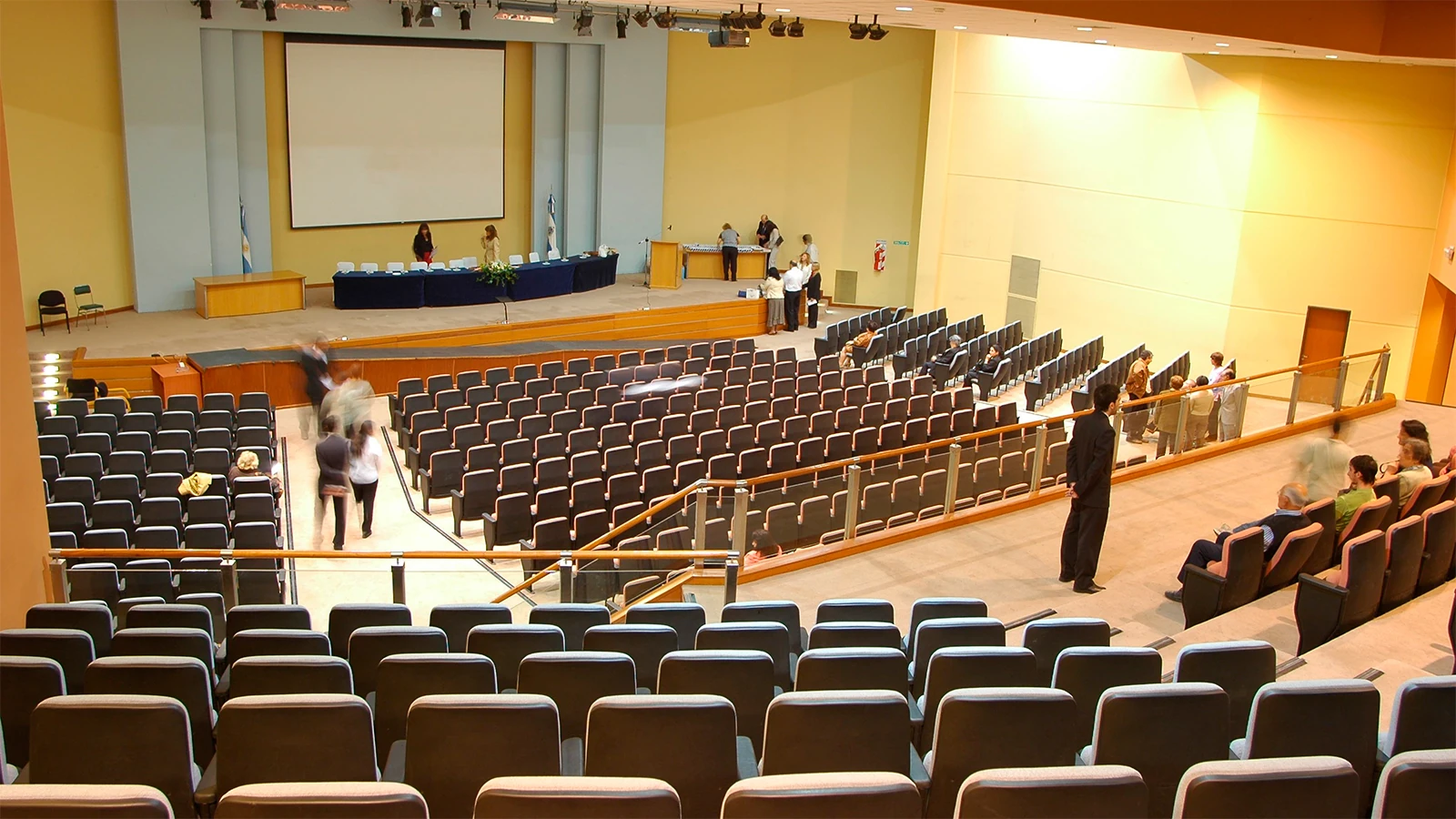
Intendente Guillermo Barrena Guzmán Convention Center
The well-known Convention Center is located in a privileged area surrounded by green spaces and near the Provincial Legislature. Managed by the Provincial Government, it has become a prominent venue for congresses, conventions, graduation ceremonies, and conferences since its inauguration.
This cultural complex features a main cylindrical structure housing the Convention Hall, with seating for 625 attendees. The space is designed as a single room with two seating levels, optimizing stage visibility and reducing the covered surface area.
Its infrastructure includes modern air conditioning, audio, video, and simultaneous translation systems that meet the standards required for the meetings and congress tourism sector.
Address: 25 de Mayo y Las Heras
Phone: 0264-4296118
Vice Governors’ Hall and Emar Acosta Auditorium
The Provincial Legislature offers the Vice Governors’ Hall, located in the historic building at Avenida Libertador and Las Heras, and the Emar Acosta Auditorium, located in the Annex building at Francisco N. Laprida Oeste 923.
These facilities are available for small-scale, non-profit cultural and educational events that promote learning and cultural diversity. Large-scale events are not permitted, as the Vice Governors’ Hall has a maximum capacity of 80 people and the Emar Acosta Auditorium accommodates up to 126 people—without exception.
Address: Legislatura Provincial
Phone: 0264-4211750
Eloy Camus Auditorium
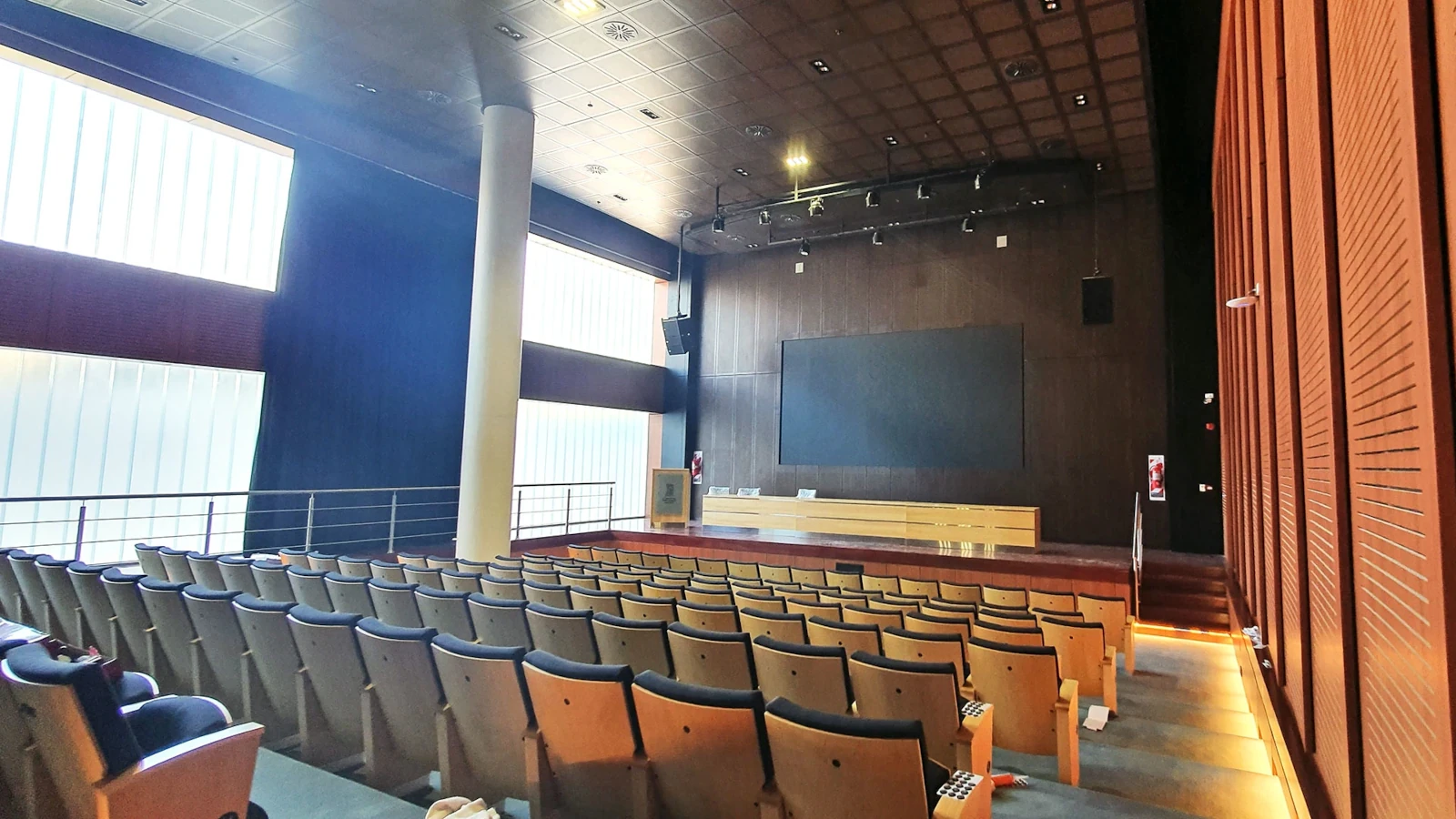
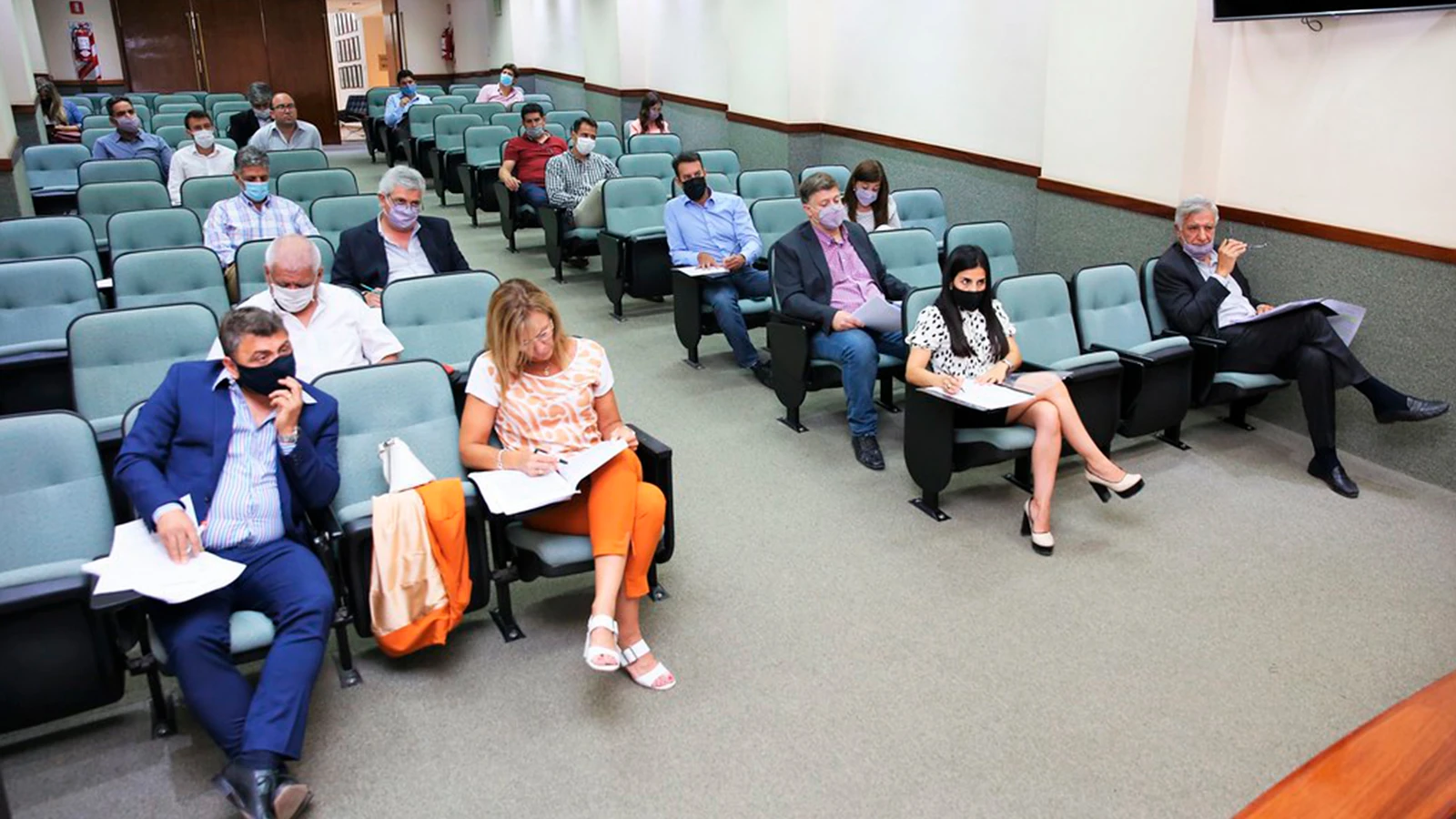
Located on the first basement level of Core 7 – South Wing of the Centro Cívico building, the Eloy Camus Auditorium is accessible from España Street. It includes three main areas: an open but roofed External Foyer (270 m²), an enclosed Internal Foyer (260 m²) with large glass surfaces, restrooms, and a kitchen, and the main auditorium with 343 seats, a sound booth, lighting, three screens, a stage with an academic table and 12 chairs, and private restrooms for speakers.
Additionally, the complex features an Exhibition Hall on the ground floor of the North Building — an ample glass-enclosed space on the east side, adjacent to the gallery and open to internal circulation and public service areas.
Address: Av. España 230 Sur
Phone: 0264-4303311
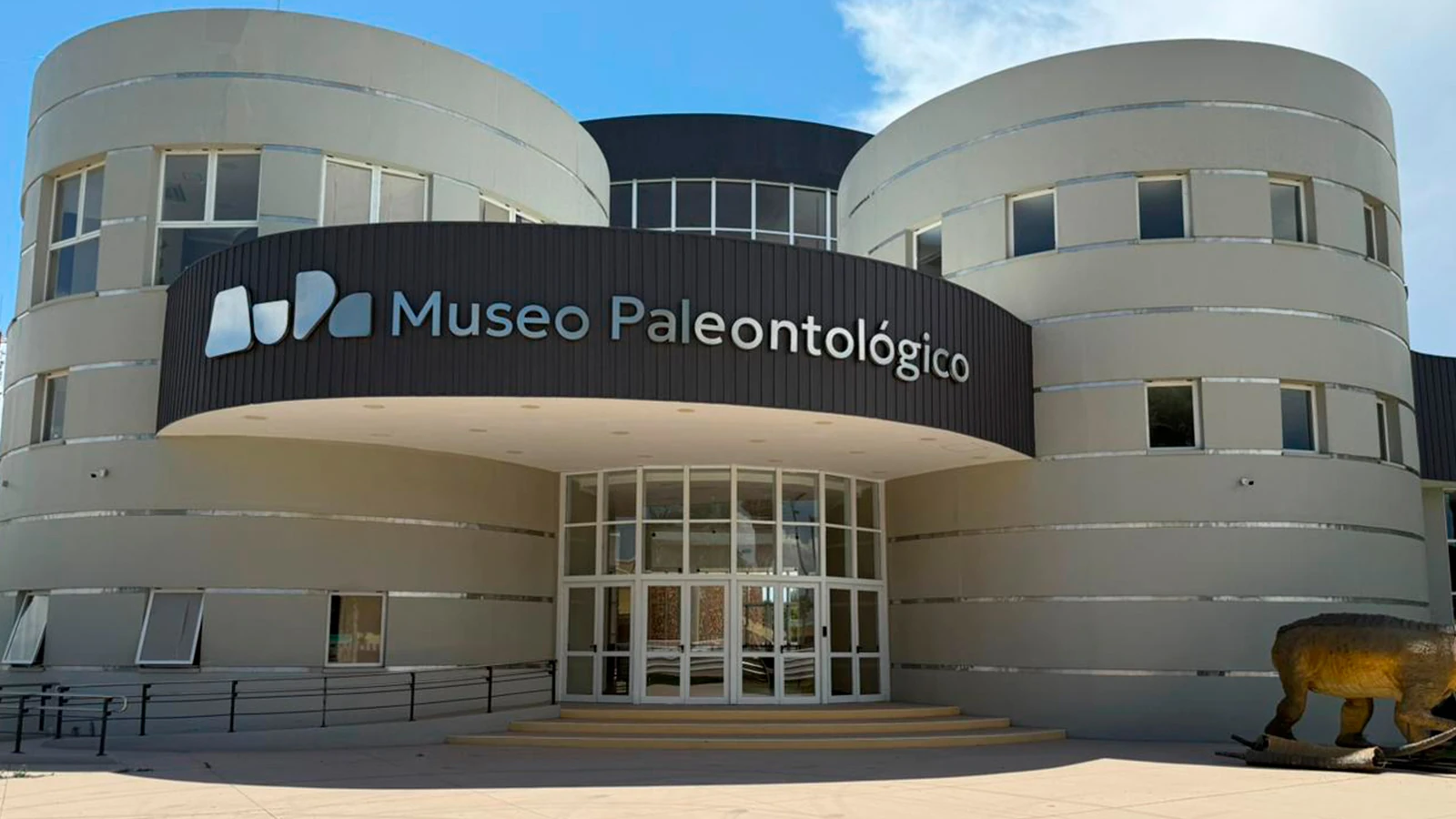
Paleontological Museum Auditorium (MUPA)
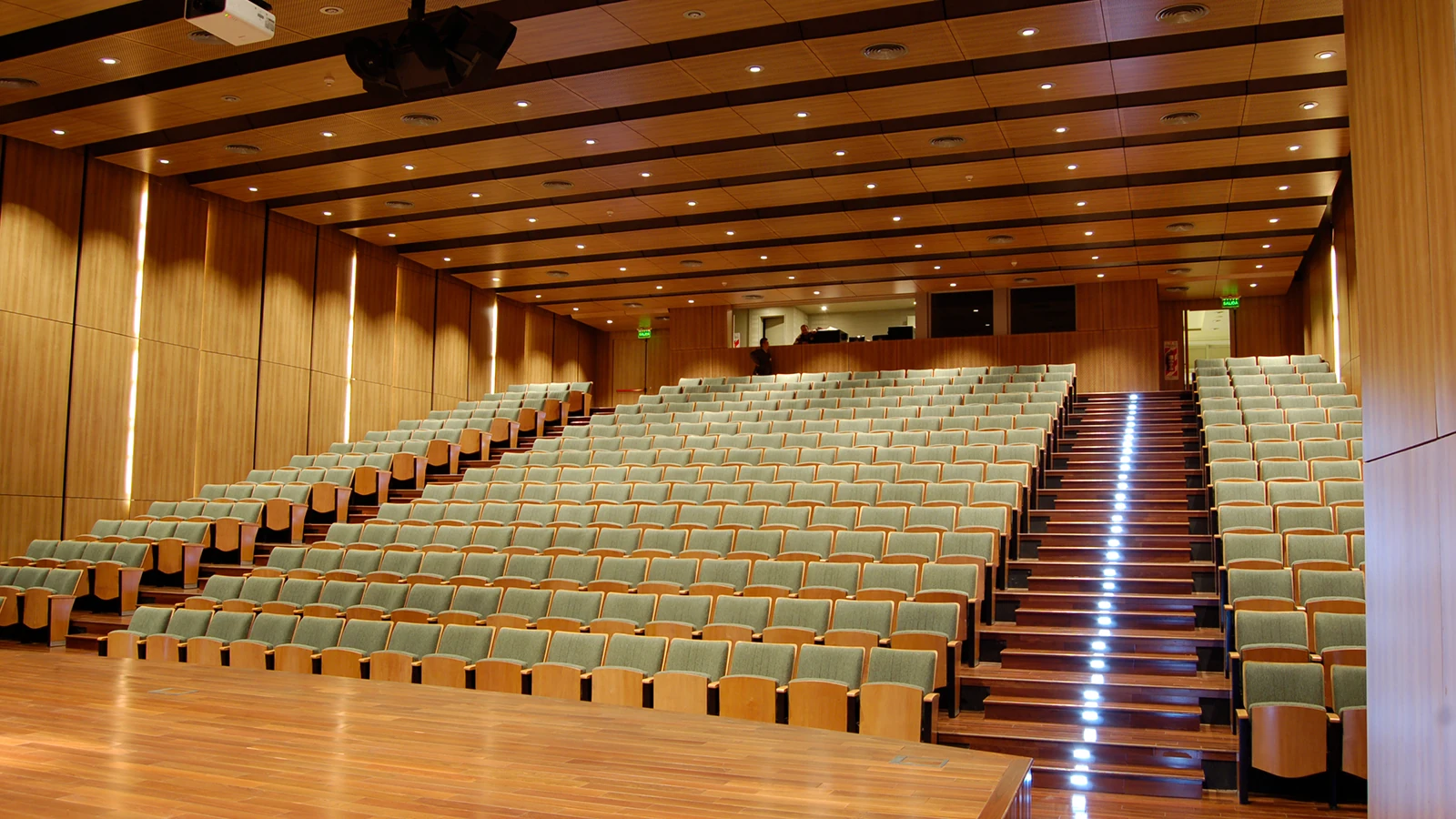
This new building, located in Plaza Belgrano, was designed as a hub for scientific and cultural activities. It features an auditorium with seating for 60 people and an Exhibition Hall with capacity for 300 people. This space will host poster sessions, sponsor and exhibitor stands, and social events.
Address: Av. España 406 Norte
Phone: 0264-4216774
Congress Map
A visual guide to help you navigate the XXIII Argentine Geological CongressThis interactive map provides an overview of the main venues, halls, and spaces associated with the XXIII Argentine Geological Congress, as well as key points of interest throughout the city and province of San Juan. Its purpose is to help attendees find their way easily, providing accurate geographic references to the locations where the academic, institutional, and social activities of the event will take place.
In addition to the Congress venues, the map includes several cultural landmarks, allowing participants to plan transportation, routes, and travel times in advance. San Juan is a province rich in cultural attractions well worth visiting, and this resource aims to enhance the participant’s experience by connecting the logistical aspects of the Congress with the region’s touristic and cultural appeal.